
Understanding Bleacher Dimensions and Specifications for Optimal Seating
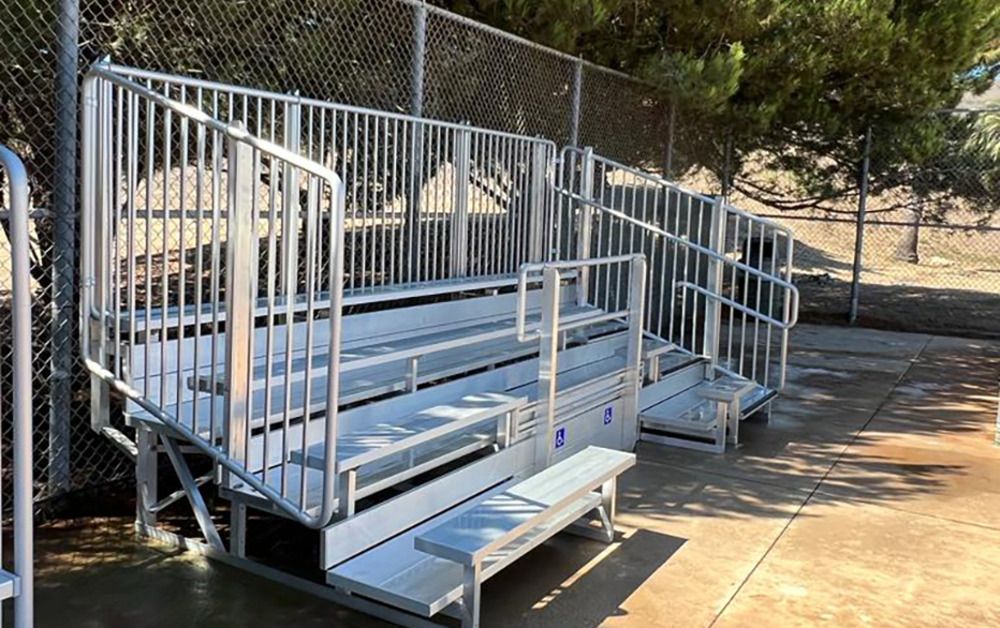
Understanding bleacher dimensions and specifications is crucial when planning sports facilities and recreational areas. Properly sized bleachers contribute to safety, comfort, functionality, and aesthetics, ensuring an enjoyable experience for spectators. Here are several reasons why these factors matter in the planning process:
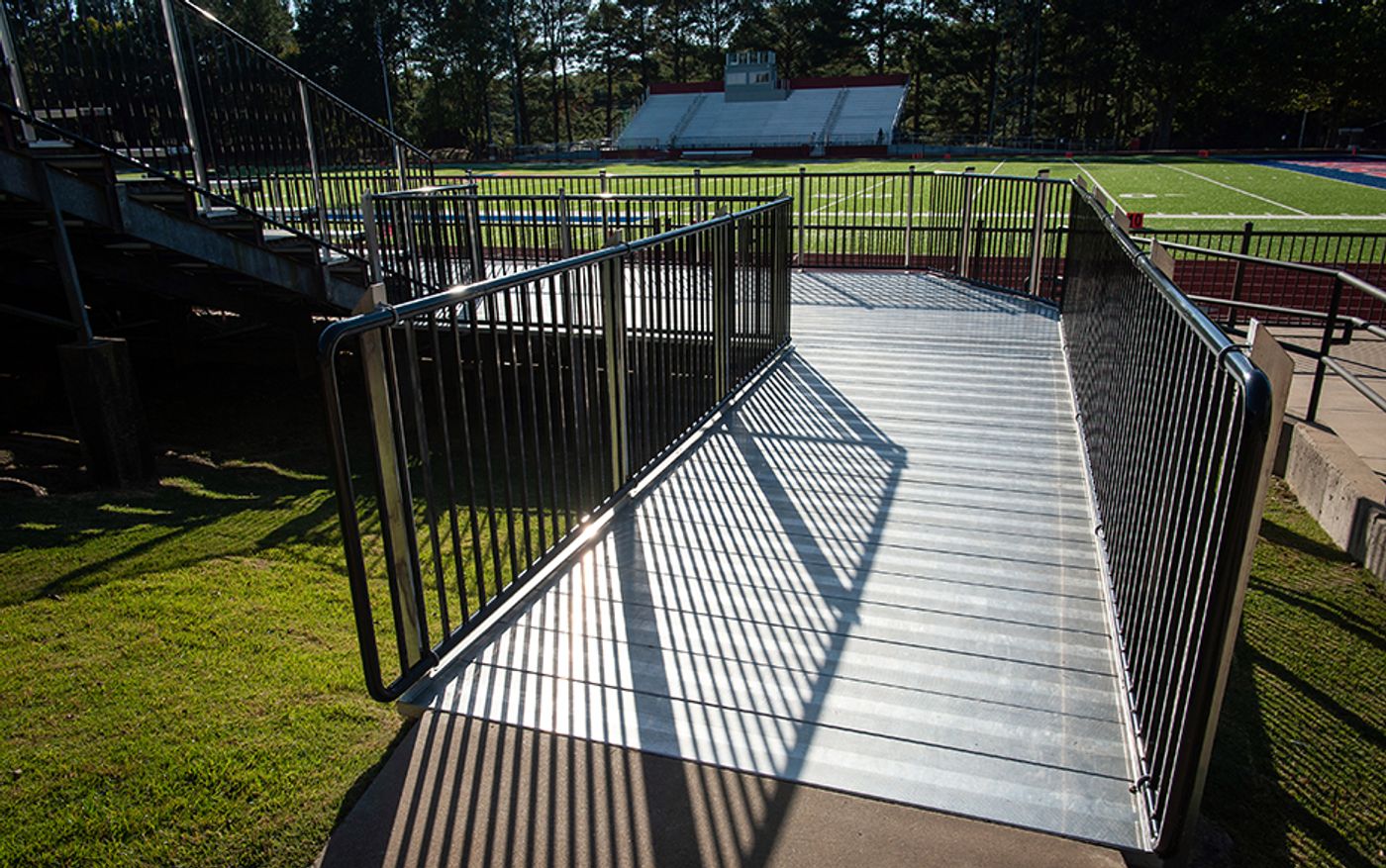
1. Safety and Accessibility:Bleachers must meet safety codes and accessibility standards to ensure they are safe and accessible for all spectators, including people with disabilities. Proper dimensions help avoid overcrowding and reduce the risk of falls, especially on high-rise bleachers. Compliance with ADA (Americans with Disabilities Act) or similar guidelines ensures there is adequate space for wheelchair access, handrails, and ramps where needed.
2. Seating Capacity Planning: Precise measurements and specifications determine the seating capacity and allow planners to meet crowd expectations. Knowing the expected number of spectators is essential for planning the size and layout of bleacher seating to prevent overcrowding while maximizing available space.
3. Visibility and Comfort: The height and depth of each tier or row directly impacts visibility, with carefully calculated sightlines ensuring every spectator has a clear view of the event. Sufficient leg room, comfortable seat width, and proper back support contribute to a positive spectator experience and can even encourage higher attendance.
4. Space Utilization and Aesthetics:Bleacher specifications influence the overall layout and aesthetics for the facility. Compact, well-designed bleacher systems help make the best use of available space, allowing for other amenities like concession stands, restrooms, and team areas. These design choices also impact the visual appeal of the venue, which can be a deciding factor for attendees.
5. Maintenance and Durability: Understanding material specifications for bleacher construction, such as aluminum, steel, or composite materials, affects long-term durability and maintenance. Bleachers need to withstand weather conditions, frequent use, and potential wear over time, so choosing the right specifications ensures a longer-lasting, safe seating option.
6. Compliance with Building Codes:Bleacher construction must adhere to local building codes, which may specify requirements on structural integrity, load-bearing capacity, and safety features. Non-compliance could lead to legal issues and costly adjustments, so understanding these dimensions early on helps avoid complications during construction and use.
Proper planning and awareness of bleacher specifications make facilities safer, more functional, and more appealing for both spectators and operators, supporting the overall success of the venue. This article will cover everything from standard seating dimensions to specifications for 3-row and 5-row bleacher units.
I. Standard Bleacher Dimensions and Specifications
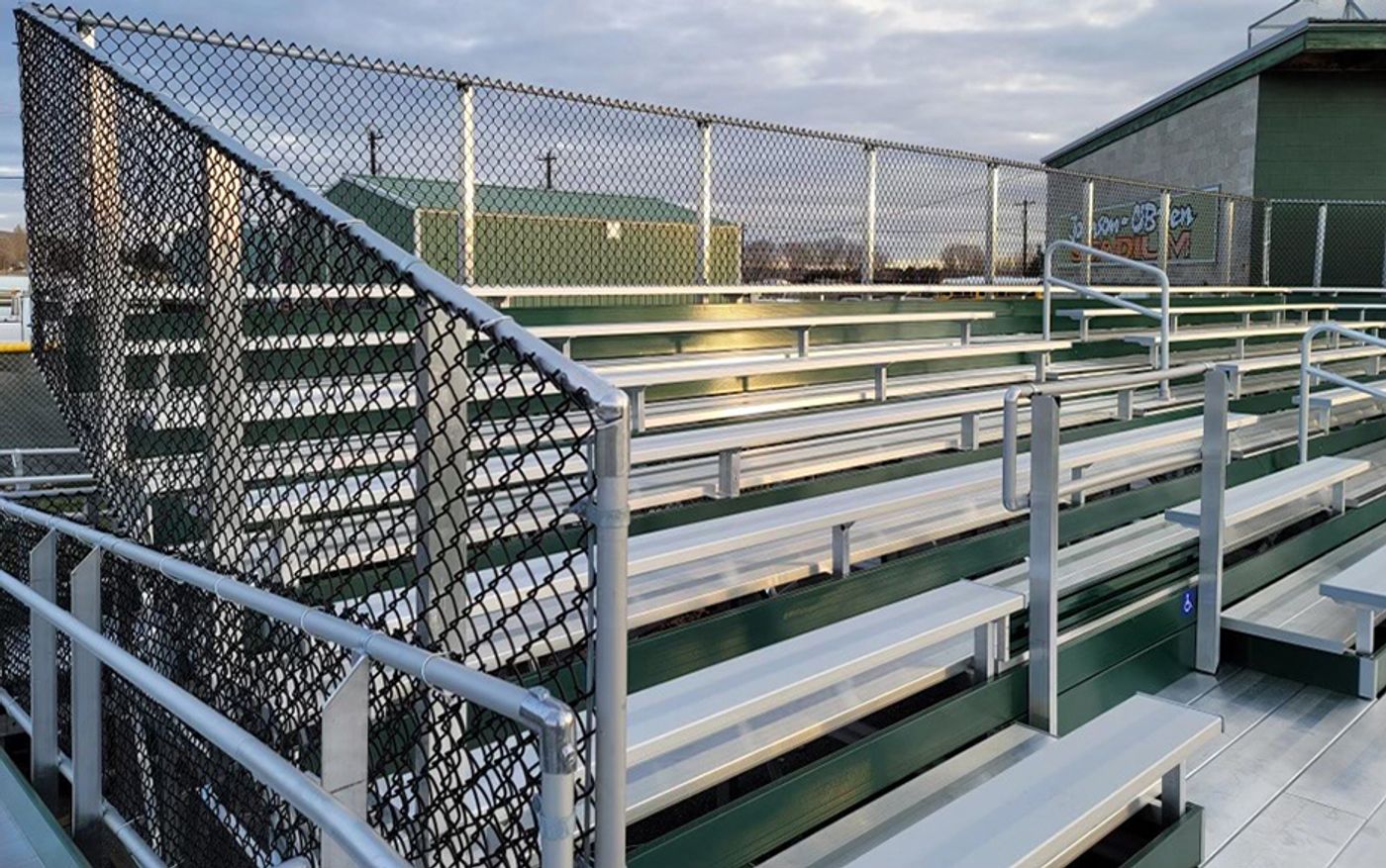
Bleacher dimensions typically include a range of measurements that ensure proper functionality, safety, and comfort for spectators. Here's a breakdown of the key dimensions commonly considered in bleacher design:
- Seat Depth and Width:
- Seat depth refers to the horizontal distance of each seat, typically around 10-12 inches. It affects spectator comfort and the overall depth of the bleacher structure.
- Seat width is usually 18-20 inches per seat, which determines how many seats can fit per row.
- Row Spacing (Tread Depth):
- This is the distance from the front of one seat to the front of the seat in the next row. It varies but is generally around 24-30 inches, balancing comfort, accessibility, and sightlines. This spacing prevents overcrowding and ensures that spectators have enough legroom.
- Riser Height:
- Riser height is the vertical distance from one row to the next. It's typically between 6-12 inches. The height impacts sightlines, as higher risers provide better visibility for those seated in the back rows.
- Overall Height and Length:
- The total height of the bleacher system, which affects visibility and accessibility. Height specifications may vary depending on the number of rows and the riser height.
- Length: The horizontal span of the bleacher, which is determined by the number of seats in each row and the total number of rows.
- Aisle Width and Number:
- Aisles are necessary for spectator movement, accessibility, and evacuation in case of emergency. Aisle width varies but is often around 48 inches in larger setups. The number of aisles depends on seating capacity and local building codes.
- Guardrails and Rail Heights:
- Guardrails are typically installed at the top and sides of bleachers for safety. Their height is often mandated by safety codes, generally between 42 and 48 inches, to prevent falls.
- Deck Height:
- The height of the first row above the ground level is known as deck height, which impacts visibility for the front row and ensures compliance with ADA requirements for wheelchair accessibility.
- Backrests and Seat Backs:
- Some bleachers, particularly those in premium or permanent facilities, may include backrests or individual seat backs for added comfort. This adds to both the seat depth and height specifications.
- Sightline Angles:
- Sightlines are calulated based on the rise and run of each row to ensure unobstructed views of the event area. This is a crucial factor for multi-level bleachers where each row must be high enough to avoid obstructions from people sitting in front.
- Weight Capacity and Load Ratings:
- The maximum load-bearing capacity per row, typically measures in pounds per square foot, ensures that the structure can support the expected number of spectators safely.
These dimensions vary based on the type of bleacher system (e.g. permanent, portable, telescopic) and the setting (e.g. indoor gymnasiums, outdoor stadiums). Accurate bleacher dimensions help ensure the facility is comfortable, compliant, and safe for all spectators. Following bleacher specifications is vital to ensure safety, comfort, and ADA compliance for all users. Each of these aspects directly impacts the usability and success of sports and recreational venues. In short, following bleacher specifications is about creating a safe, comfortable, and exclusive environment for all spectators. Compliant bleacher design supports positive expereinces, protects facility managers from liability, and aligns with legal standards, all of which contribute to the overall success of the venue.
II. 3-Row Bleacher Dimensions
Three-row bleachers are a popular choice for smaller venues, schools, and recreational areas due to their compact size and portability.
- The overall height of a 3-row bleacher typically ranges from 2.5-3 feet from the ground to the top of the back row.
- Riser Heights:
- First row: Typically sits about 10-12 inches above ground.
- Second row: Around 18-12 inches above ground.
- Third row: Approximately 30-36 inches above ground, depending on design.
- For each seat, the width per person is around 18-20 inches. In a standard configuration, bleachers are available in lengths that vary by seating capacity, commonly in 7.5', 15', 21', or 27'.
- Seating Capacity by Width:
- 7.5' bleacher: Seats approximately 5 people per row.
- 15' bleacher: Seats about 10 people per row.
- 21' bleacher: Seats approximately 14 people per row.
- 27' bleacher: Seats around 18 people per row.
- Each row (tread depth) is typically 24 inches from the front of one row to the front of the next row. This gives enough room for legroom and safe foot placement when moving between rows.
- With 3 rows, the overall depth of the bleacher structure is usually about 4-5 feet from front to back.
- A typical 3 row bleacher with a length of 15' has an approximate footprint of:
- Width: 15'
- Depth: 4-5'
- Height: 2.5-3'
- Three row bleachers are usually lightweight for easier transport and setup. For example, a 15' aluminum bleacher generally weighs around 20-250 pounds depending on the frame and seating material.
- Often made of aluminum, or steel, ensuring durability and weather resistance.
- Seat planks and foot planks are typically around 10-12 inches wide and made of aluminum for outdoor use, with non-slip finishes to prevent accidents.
These specifications make 3 row bleachers ideal for smaller venues, providing ample seating in a compact footprint that can be easily installed, moved, and maintained.
III. 5-Row Bleacher Dimensions
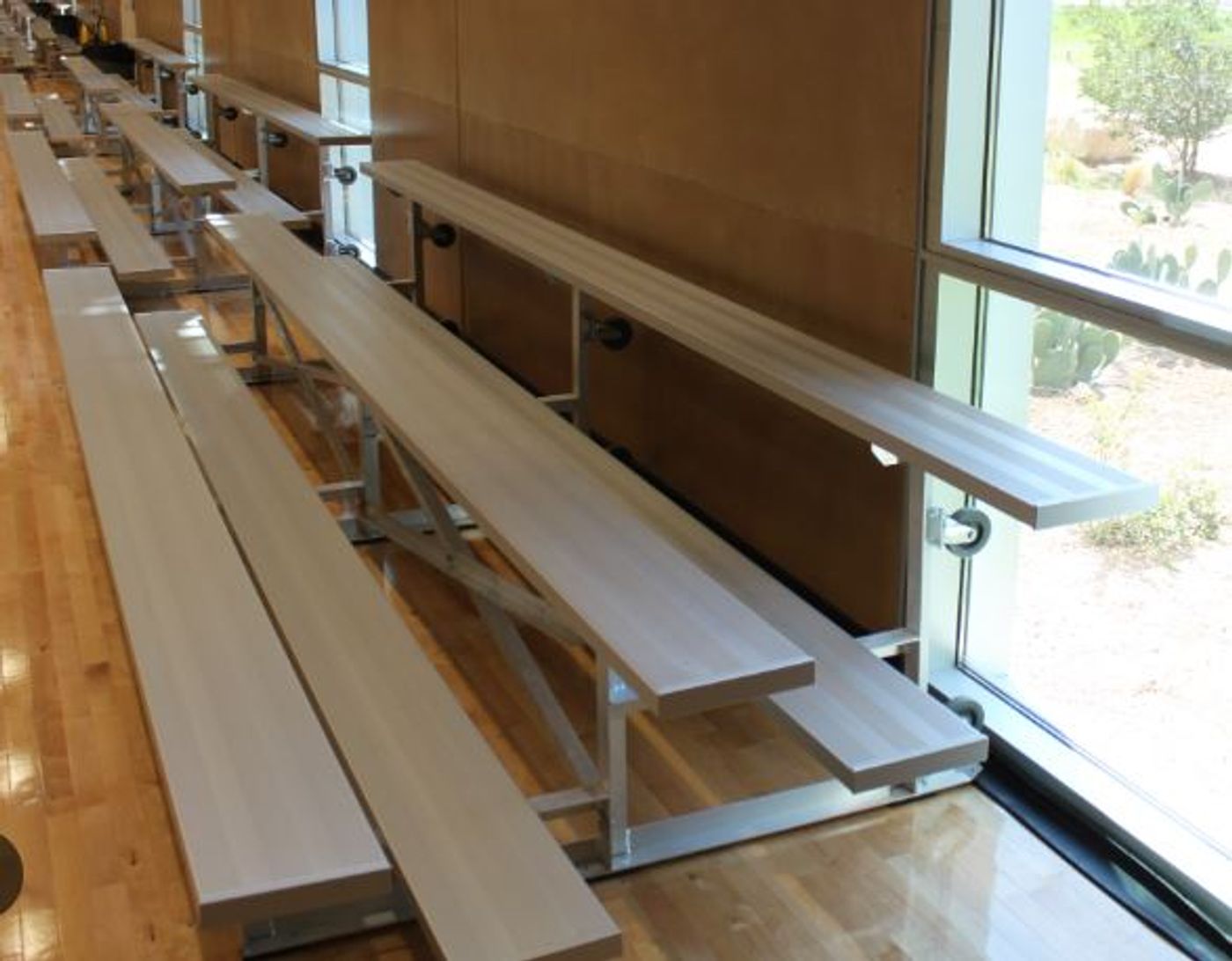
Five-row bleachers provide increased seating compared to smaller, three-row setups while maintaining a compact design suitable for mid-sized venues, recreational fields, and school gyms.
- The overall height of a 5-row bleacher usually ranges from 5-6 feet from the ground to the top row.
- Riser Heights:
- First row: Typically sits about 12 inches above ground.
- Second row: Around 24 inches above ground.
- Third row: Approximately 36 inches above ground, depending on design.
- Fourth row: About 48 inches above ground.
- Fifth row: Typically 60-72 inches above ground.
- The increasing riser height for each row provides improved visibility and unobstructed sightlines compared to smaller bleachers.
- Like 3-row bleachers, the width of 5-row bleachers can vary, depending on the length of each row. Typical options are 15', 21', and 27 feet.
- Seating Capacity by Width:
- 15' bleacher: Seats about 10 people per row.
- 21' bleacher: Seats approximately 14 people per row.
- 27' bleacher: Seats around 18 people per row.
- Each row has a depth of 24 inches. This standard depth provides enough space for legroom and movement between rows.
- With five rows, the overall depth of the bleacher is approximately 10 feet from the front of the first row to the back of the fifth row. This is notably deeper than the 4-5 foot depth of a 3-row bleacher.
- A 5-row bleacher with a length of 155 feet typically has an approximate footprint of:
- Width: 15 '
- Depth: 4-5'
- Height: 5-6'
- The larger footprint provides more seating but requires more space and stability, often making them less portable than smaller bleachers.
- Five-row bleachers are typically heavier and less portable than 3-row bleachers. For example, a 15' aluminum 5-row bleacher may weigh around 400-600 pounds depending on the materials, roughly twice the weight of a comparable 3-row model.
- Often made from steel or aluminum to support the added height and weight, with weather-resistant coatings for outdoor use.
- The seat and foot planks are generally 10-12 inches wide and made of durable aluminum, with non-slip surfaces to enhance safety.
Overall, 5-row bleachers offer a balance of increased seating capacity and enhanced safety features, making them a versatile choice for medium-sized events and venues needing an efficient yet spacious seating solution.
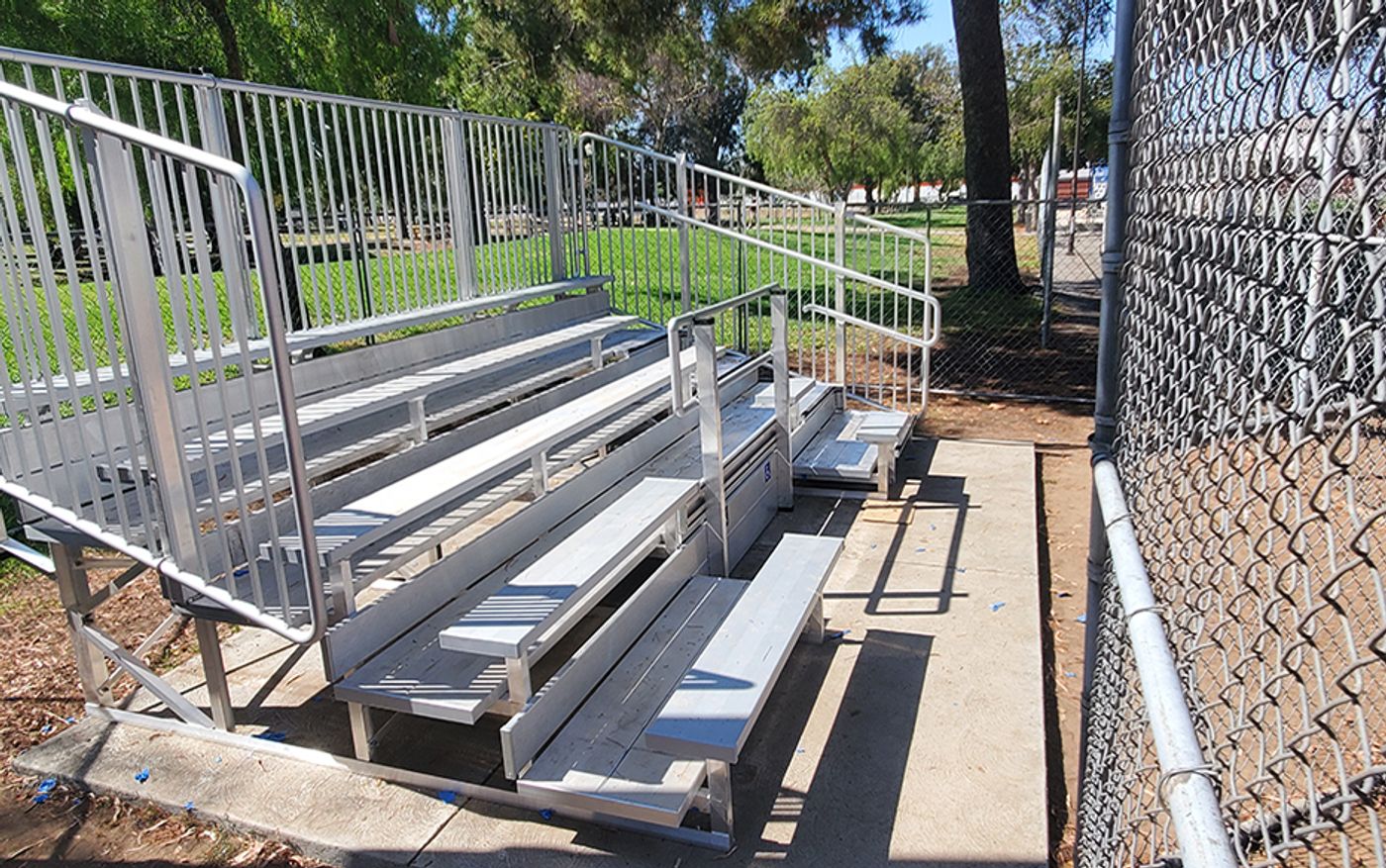
IV. Importance of Following Bleacher Specs
Adhering to bleacher specifications and safety standards is essential for several reasons, especially in public installations.
Bleachers that don't meet safety standards are at a higher risk of collapses, structural failures, and falls, which can lead to serious injuries or fatalities. Safety standards ensure the bleachers are designed to support the expected weight and usage demands.
Public bleachers are often used by large numbers of people, especially during events. Standards cover material strength, load-bearing capacity, and anchoring methods, ensuring that bleachers can handle the stress of crowds without risk of collapse.
Failure to follow safety codes can result in liability for property owners or event organizers. Many municipalities and regulatory bodies require compliance with specific codes, such as the International Building Code (IBC) or guidelines from the Consumer Product Safety Commission (CPSC), to reduce risk and ensure uniform safety practices.
Standards often include specific requirements like guardrails, spacing, and backrests to prevent accidents, especially for children who may be more prone to falling or slipping through gaps.
People need to feel safe when attending public events. Following bleacher safety standards demonstrates a commitment to public safety, encouraging more community engagement without fears related to seating infastructure.
In sum, adherence to bleacher specs and safety standards is critical for protecting public safety, reducing liability, and maintaining a trustworthy environment at venues.
The dimensions and specifications mentioned in this article ensure bleachers are safe, accessible, and suitable for their intended audience and location. Explore ParknPool's range of bleacher seating option!