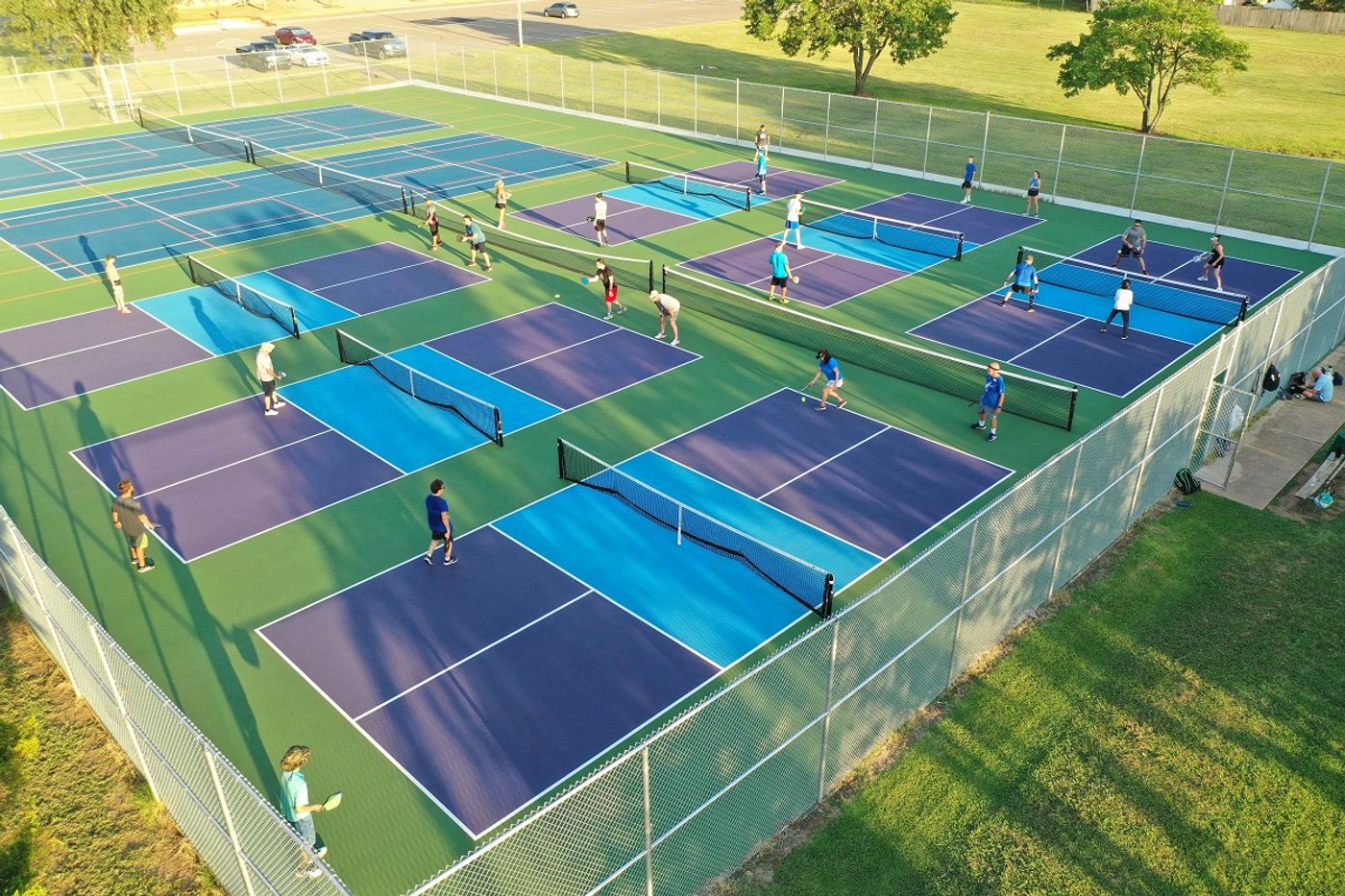
The Rise of Public Pickleball Courts: Insights and Statistics
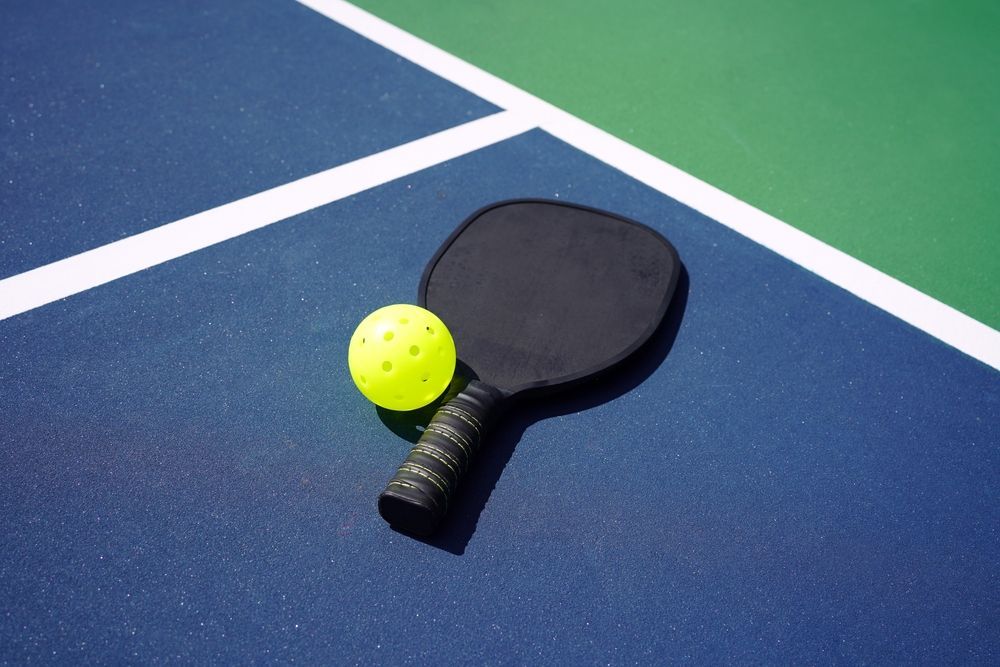
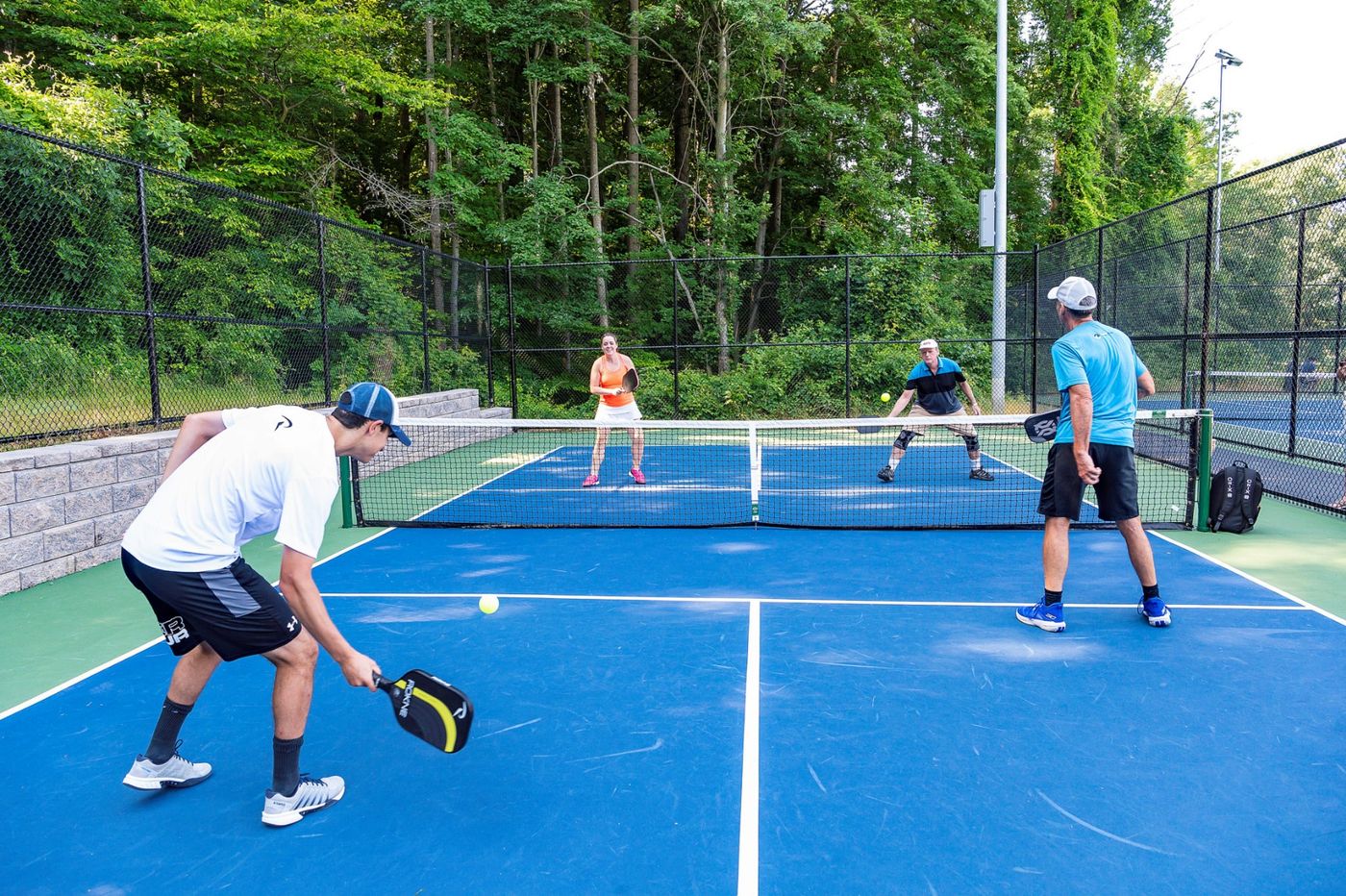
Pickleball has seen an explosive rise in popularity in the U.S. over the past decade. According to the Sports & Fitness Industry Association (SFIA), pickleball was the fastest-growing sport in the country for three consecutive years from 2020 to 2023. Pickleball is easy to learn and can be played by people of all ages and skill levels. The game's rules are simple, and it doesn't require as much mobility or stamina as sports like tennis. The sport is highly social, with many players forming community leagues, organizing tournaments, and using the sport as a way to connect. Pickleball courts are smaller than tennis courts, which makes them easier to set up, especially in urban areas or at existing sports facilities. Many tennis courts have been repurposed for pickleball. It provides a great cardiovascular workout while being less strenuous on joints, making it attractive to older adults. This surge in popularity has led to increased demand for pickleball courts, both indoors and outdoors, across parks, recreation centers, and private facilities. The sport's growth shows no signs of slowing down, with participation numbers continuing to rise across various demographics.
Pickleball's appeal across various demographics is one of the key reasons for its rapid growth. Here's how it resonates with different groups:
- Older Adults and Seniors - low-impact, joint-friendly, social interaction, and health benefits
- Families and Youth - easy to learn, inclusive, and school programs
- Adults (Millennials and Gen X) - fitness focus, competitive play, and social appeal
- Athletes and Former Tennis Players - crossover appeal and competitive scene
- People with Disabilities - adaptability
The sport's versatility and inclusiveness have made it a favorite among a broad spectrum of players contributing to its ongoing rise in popularity.
Current Landscape of Public Pickleball Courts
Public pickleball courts have been rapidly expanding in response to the sport's growing popularity. Across the U.S., municipalities, parks, and recreation centers have been increasingly investing in dedicated pickleball courts, often converting underused tennis or basketball courts to meet demand.
- Parks and Recreation Centers - Many public parks and recreation facilities are now incorporating pickleball courts into their designs. This trend is most noticeable in suburban and urban areas where community spaces are in high demand for recreational use.
- Tennis Court Conversions - To meet the surge in demand, many tennis courts have been converted to accommodate pickleball. In some places, courts are shared, with lines for both tennis and pickleball, while other locations have dedicated courts solely for pickleball play.
- Pickleball-Only Facilities - Some cities have developed pickleball-specific complexes, with multiple dedicated courts. These are often seen in regions where the sports has seen especially rapid growth, such as in the Sunbelt states like Florida, Arizona, and California.
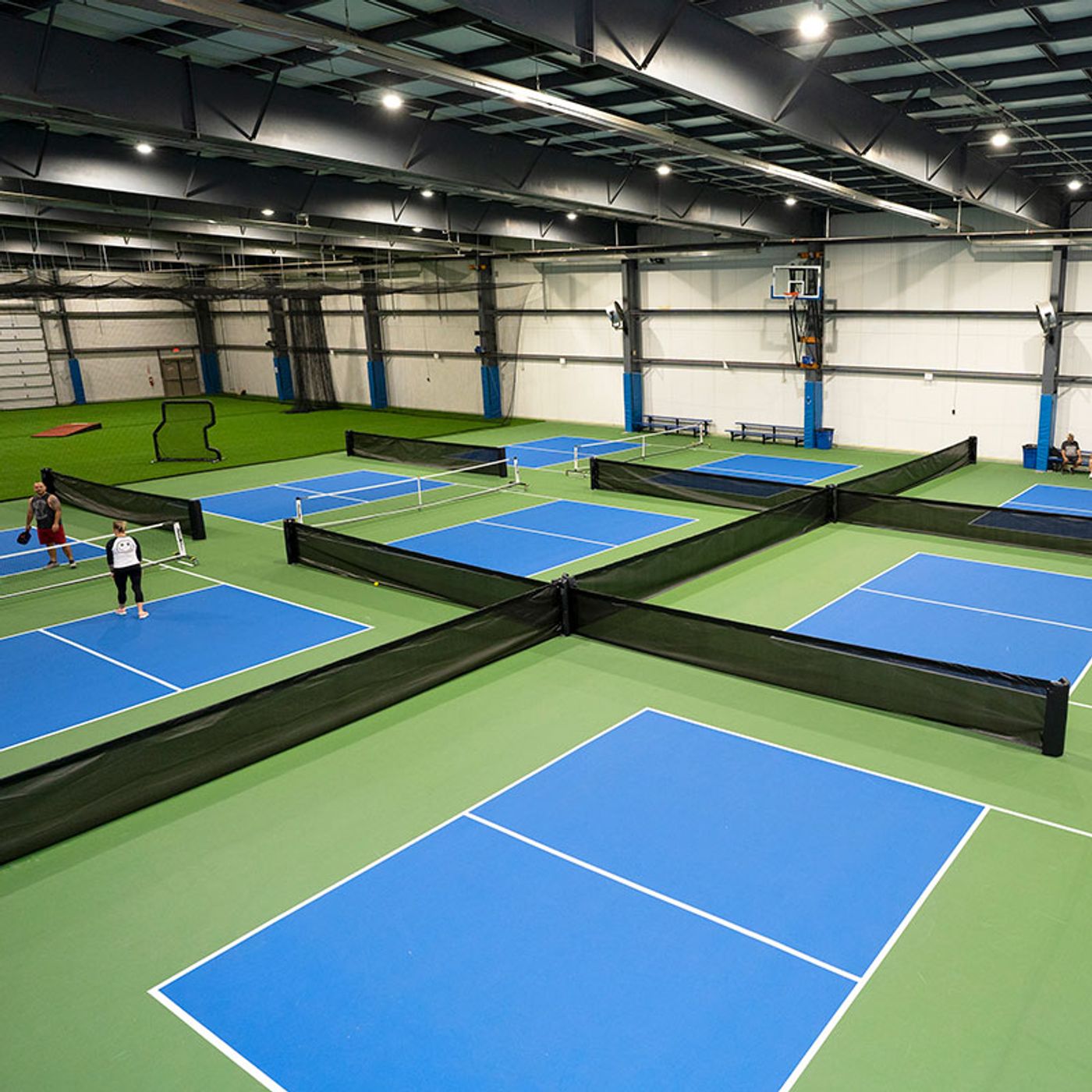
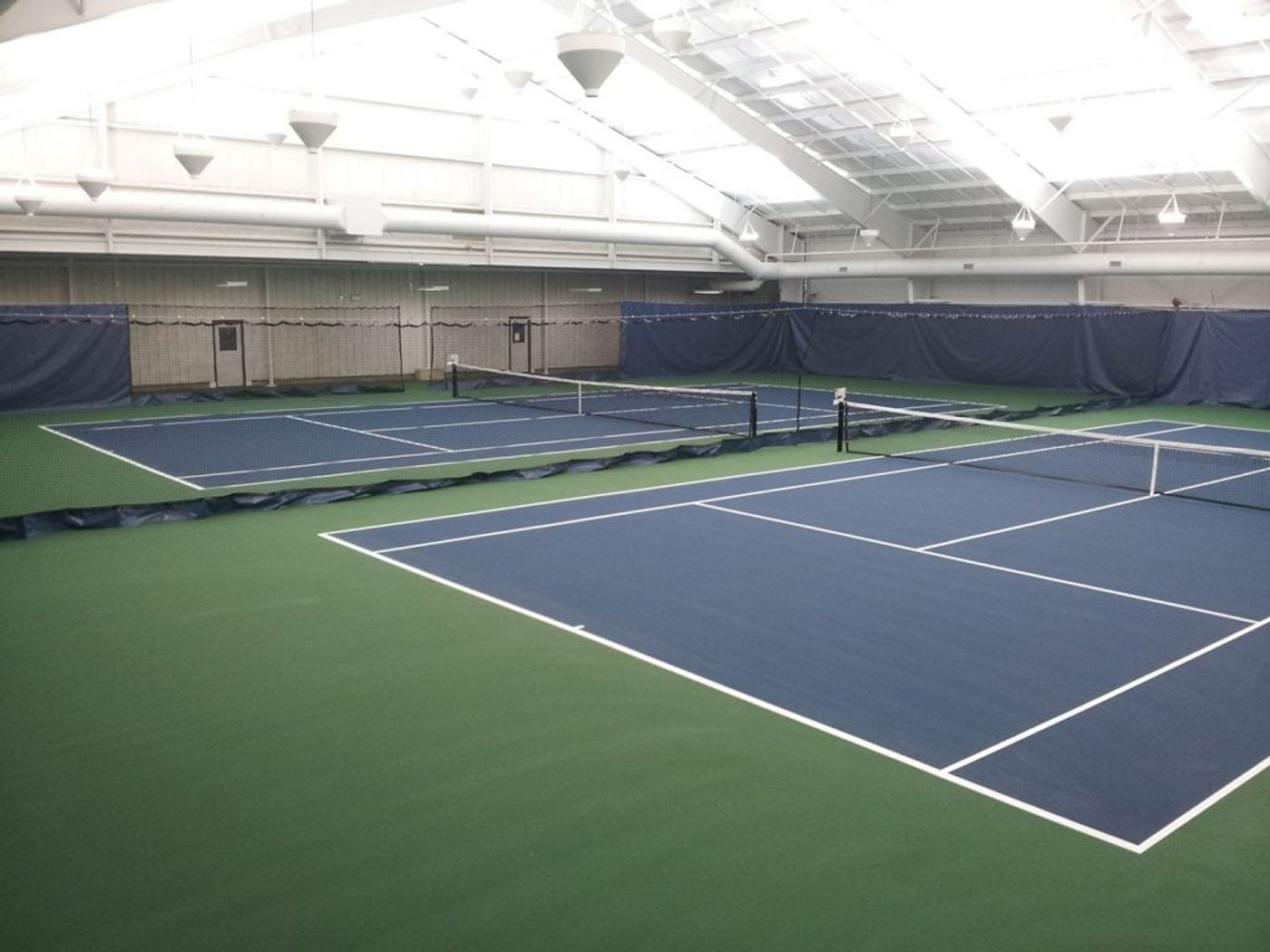
- Availability Varies by Region - In states like Florida and Arizona, where the weather is conducive to year-round outdoor play and where many retirees live, there is a higher concentration of pickleball courts. Meanwhile, colder regions are developing more indoor facilities to cater to players during the winter months.
- New Court Development - Many municipalities are recognizing pickleball as a key recreational activity and are building new facilities to keep up with growing interest. The demand has been particularly high in retirement communities, suburban areas, and active adult communities.
Several geographic areas in the U.S. have seen significant growth in pickleball facilities, driven by the sport's popularity among different demographics. The following regions have become major hubs for pickleball:
- Sunbelt States (Florida, Arizona, California)
- Pacific Northwest (Washington, Oregon)
- Midwest (Michigan, Minnesota)
- Southwest (Texas, Nevada)
- Southeast (Georgia, the Carolinas, Tennessee)
- Northeast (New York, Pennsylvania, Massachusetts)
In these regions, both public parks and private clubs are seeing significant investment in pickleball facilities, with some areas creating dedicated pickleball complexes that include amenities like lighting, seating, and multi-court layouts.
Key Statistics on Pickleball's Popularity
Pickleball has experienced growth in recent years, becoming the fastest-growing sport in the U.S.
The number of people playing pickleball has skyrocketed. In 2023, there were approximately 13.6 million players, reflecting a 70% growth from the previous year. By the end of 2024, projections suggest the number of players could exceed to 15 million. Additionally, nearly 50 million Americans have tried pickleball in the past 12 months. (Source: pickleballsporting.com)
Pickleball is attracting a younger and more diverse audience. The average age of players has dropped to 34.8 years, with 70% of participants aged between 18 and 44. The sport's appeal cuts across genders, with men and women participating at nearly equal rates. (Source: pickleballsporting.com)
To meet growing demand, the number of pickleball courts in the U.S. has surged. As of 2024, there are over 13,900 courts, with California, Florida, and Texas leading in court availability. In 2023 alone, there was a 15% increase in the number of dedicated pickleball courts. (Source: pickleballbliss.com)
The professional side of pickleball is also growing rapidly, with tournament participation increasing by 25% in 2023. Prize money for tournaments reached between $9-11 million. The sport's equipment market is also booming, particularly the paddle market, which was valued at $152.8 million in 2021 and is projected to continue growing. (Source: pickleballbliss.com)
This surge in popularity, combined with its accessibility and health benefits, suggests that pickleball's growth will continue to accelerate in the coming years.
Benefits of Investing in Public Pickleball Courts
Investing in pickleball courts provides municipalities and businesses with several social and economic benefits.
Social Benefits - Pickleball appeals to a wide range of ages, abilities, and fitness levels, making it a community sport that fosters inclusivity and interaction across demographics. By creating spaces for people to gather and play, municipalities can encourage socialization, helping to build stronger, more connected communities. Investing in pickleball courts encourages residents to engage in regular physical exercise, which can lead to improved public health outcomes such as reduced obesity rates and lower instances of cardiovascular diseases. Participation in physical activities like pickleball has been shown to reduce stress and anxiety, boosting the mental well-being of individuals. Municipalities can use pickleball courts for youth sports programs, offering young people a fun and accessible sport that teaches teamwork and discipline. For older adults, pickleball provides a low-impact sport that keeps them active and engaged, promoting healthy aging and reducing healthcare costs associated with inactivity.
Economic Benefits - Pickleball tournaments, leagues, and recreational play can attract visitors from outside the local areas, boosting tourism. Visitors contribute to local businesses, such as hotels, restaurants, and shops, especially when large events are held. The construction and maintenance of pickleball facilities create job opportunities, ranging from construction workers and facility managers to trainers and even organizers. Increased foot traffic around pickleball courts can benefit nearby businesses. Cafes, retail stores, and other local establishments can see increased sales from people playing or watching pickleball games. Municipalities and businesses can charge for court reservations, particularly for indoor courts or during peak times, generating consistent revenue. Hosting professional or amateur pickleball tournaments can generate significant revenue through ticket sales, vendor fees, and sponsorships. Local businesses can sponsor courts, leagues, or tournaments, creating additional revenue streams for municipalities while also boosting brand visibility sponsors. Compared to other sports facilities like football or baseball fields, pickleball courts require less space and are relatively inexpensive to build and maintain. This makes them an attractive investment for both municipalities and private developers. Converting underutilized tennis or basketball courts into pickleball courts offers a cost-effective way to meet the demand for recreational facilities without requiring new land or major renovations.
By investing in pickleball courts, municipalities can improve the overall quality of life for residents, making their communities more desirable places to live. This can attract new residents and businesses, contributing to long-term economic growth and stability. In summary, investing in pickleball courts not only promotes public health and social engagement but also offers tangible economic benefits through increased tourism, job creation, and new revenue streams for municipalities and businesses.
Planning and Developing Pickleball Facilities
When planning and developing pickleball courts, municipalities and businesses should consider several key factors to ensure the courts meet community needs, provide a positive user experience, and maximize the economic and social benefits of the investment. Here's what to consider:
- Location and Accessibility - Courts should be located in areas that are easily accessible to the target audience, such as near residential neighborhoods, parks, recreation centers, or schools. Ensure adequate parking facilities and proximity to public transportation to accomodate users, especially for tournaments or large events. Courts should be designed with accessibility in mind, ensuring they can be used by people with disabilities, including wheelchair players.
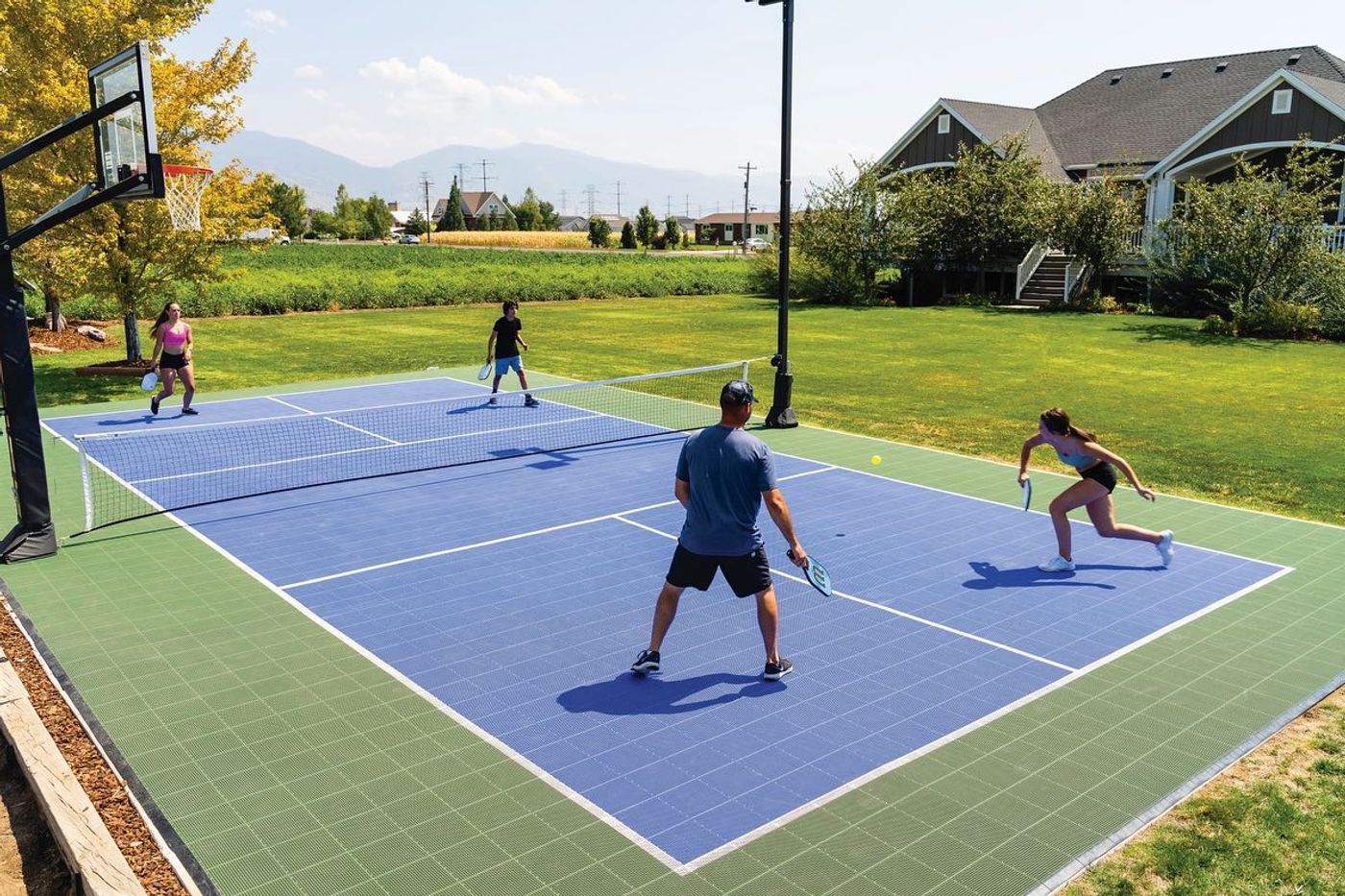
- Court Design and Layout - Consider the demand for pickleball in the area when deciding how many courts to build. A larger facility with multiple courts can accommodate leagues, tournaments, and more players, while smaller communities may benefit from just one or two courts. Ensure the courts are built to official dimensions (20x44 feet for each court). High-quality materials for surfaces, such as acrylic, will ensure durability and player safety. For municipalities or facilities looking for versatility, consider creating courts that can be used for both pickleball and other sports like tennis or basketball by marking courts for dual purposes.
- Lighting and Weather Considerations - Determine whether to build indoor or outdoor courts based on climate. In areas with harsh winters or hot summers, indoor facilities may be necessary to allow year-round play. Install adequate lighting for outdoor courts to allow for evening play, which can help accommodate more users and increase revenue opportunities for rentals and leagues. If outdoors, consider protective measures like wind screens or shading to improve player comfort and court longevity. In rainy areas, proper drainage is essential to prevent water accumulation.
- Maintenance and Durability - Develop a budget and plan for regular maintenance, including resurfacing, cleaning, and repairing nets or fencing. Well-maintained courts attract more players and prolong the lifespan of the investment. Use durable, weather-resistant materials for nets, fencing, and court surfaces to minimize repair costs and downtime.
- Amenities and Infrastructure - Ensure that adequate restroom facilities are available, especially for larger facilities or those hosting tournaments. Consider adding locker rooms for players in indoor facilities. Create comfortable spaces for spectators with seating, shade, and viewing areas, especially if the facility will host tournaments or leagues. Particularly for outdoor courts, having water fountains or refill stations, as well as shaded rest areas, is important for player comfort and safety. In larger facilities, offering food and drink through vending machines or concession stands can be an additional revenue source.
- Community Engagement and Partnerships - Before finalizing plans, gather input from local pickleball players and community members to ensure the courts meet their needs and preferences. This can build buy-in and ensure high utilization. Work with local businesses and sponsors to help fund the development or ongoing maintenance of the courts. This could include naming rights, advertising on-site, or hosting sponsored events. Consider how the facility will be used beyond casual play. Organize leagues, clinics, and tournaments to keep the courts busy and generate additional revenue.
- Budget and Funding - Determine the full cost of construction, including site preparation, materials, amenities, and future maintenance. Compare this against expected revenues from court rentals, leagues, and tournaments. Explore various funding sources such as government grants, public-private partnerships, sponsorships, or community fundraising efforts to help cover costs.
- Compliance with Regulations - Ensure the site selected for the courts complies with local zoning laws, and obtain any necessary building permits before construction begins. Be mindful of environmental impacts, particularly if building in natural areas. Use eco-friendly materials and construction practices when possible.
- Safety and Security - Install fencing around courts to prevent balls from flying into nearby areas, and use non-slip surfaces to reduce the risk of falls. For public parks or facilities that may be open late, consider installing security cameras, lighting, and emergency call boxes to ensure the safety of players and visitors.
- Marketing and Promotion - Once the courts are developed, promote them through community channels, social media, and local pickleball associations to maximize awareness and usage. Consider hosting grand opening events, beginner clinics , or local tournaments to introduce the courts to the community and encourage widespread participation.
By carefully considering these factors, municipalities and businesses can ensure that their investment in pickleball courts meets the needs of the community, enhances social engagement, and provides strong economic returns.
Developing public pickleball facilities provides long-term benefits that extend beyond immediate recreational opportunities. When thoughtfully planned, these benefits enhance community well-being, drive sustained economic growth, and contribute to public health improvements. Investing in public pickleball facilities offers significant long-term benefits, ranging from improved public health and stronger community engagement to sustained economic growth and environmental sustainability. By planning with the future in mind, municipalities and businesses can create recreational spaces that not only meet immediate demand but also provide enduring value for generations to come. Contact ParknPool or visit our Pickleball Equipment online for expert advise on adding pickleball courts to your facilities.