The Importance of Site Amenities for Your Park
While attending The Park & Recreation Summit this past March, we had the privilege of discussing the current and on-going needs of our nation's largest park & rec departments. It was an honor speaking with everyone regarding their upcoming plans for improving the spaces their communities visit on a regular basis. We look forward to continuing to grow our partnership with these recreation departments and assisting in targeting their demographic with appropriate site amenities!
Site Amenities and Benefits:
Site amenities are all the additional features that add value and benefits to your park by enhancing visitors' enjoyment and providing them with comfort. These site amenities are essential for any park or recreational space. These amenities vary depending on the size and purpose of the park, as well as the needs of the community it serves.
Site furnishings in a park offer numerous benefits, enhancing both the functionality and enjoyment of the space for visitors. Some key benefits include:
1. Comfort and Convenience: Benches, tables, and shade structures provide places for rest and relaxation, making the park more inviting for extended visits.
2. Encouragement of Social Interaction: Picnic tables, shade structures, and seating areas facilitate gatherings and social interactions, fostering a sense of community.
3. Enhanced Aesthetics: Attractive furnishings and well-maintained landscaping contribute to the overall beauty of the park, creating a pleasant environment for visitors.
4. Promotion of Physical Activity: Sports facilities, playgrounds, and fitness equipment encourage physical activity and healthy lifestyles.
5. Environmental Stewardship: Amenities like trash and recycling bins help keep the park clean and promote responsible waste management.
6. Increased Usability: Amenities such as restrooms, drinking fountains, and BBQ grill areas make the park more user-friendly, supporting a wider range of activities and events.
7. Support for Events and Programs: Shade structures, pavilions, and open spaces equipped with site furnishings can accomodate community events, educational programs, and recreational activities.
8. Economic Benefits: Attractive and well-furnished parks can boost local economies by attracting tourists, increasing property values, and providing spaces for events that generate revenue.
9. Improved Mental Well-Being: Access to well-furnished parks provides opportunities for relaxation and stress relief, contributing to better mental health for visitors.
Overall, site furnishings enhance the functionality, attractiveness, and inclusivity of parks, making them valuable assets for communities. The following are just a few of the best options when it comes to choosing what your park needs:
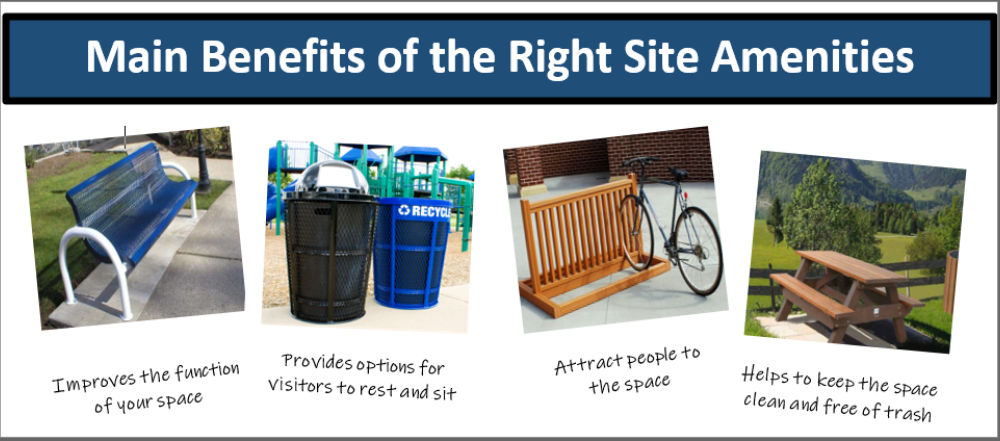
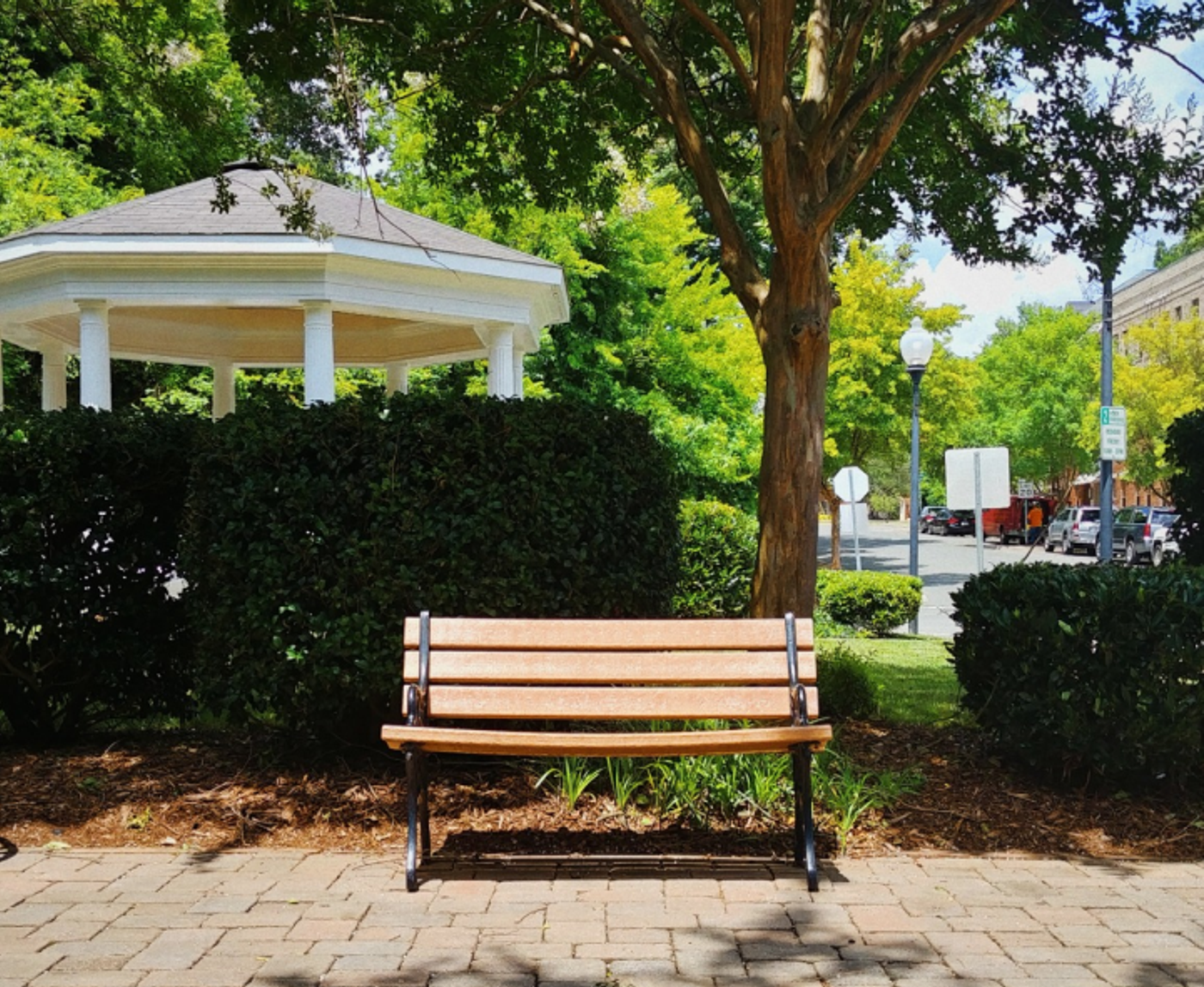
Sprinking benches throughout your park provides patrons with a place to sit during a break from their pickup game of pickleball, to simply do some birdwatching or to keep an eye on their children enjoying the playground. Benches provide a place for visitors to sit and rest which is especially important for the elderly, young children, and those with mobility issues. They encourage socializing, allowing people to gather, converse, and spend time together in a comfortable setting.
Park Benches positioned in scenic spots allow visitors to enjoy views, watch wildlife, or observe activities within the park, enhancing their experience. Strategically placed benches along paths and trails provide rest stops, making the park more accessible to people of all ages and abilities. They can also serve as meeting points or rest areas for those engaging in outdoor activities such as walking, jogging, or biking.
During events, these benches provide seating for spectators, contributing to the comfort and enjoyment of organized activities and performances. Well-designed benches can add to the visual appeal of the park, complementing its landscaping and overall design. Benches near playgrounds, sports fields, and other activity areas allow parents and guardians to comfortably supervise children and stay close by.
Providing a place to sit and relax in a natural setting can help reduce stress, promote mindfullness, and enhance overall mental health. Benches offer a space where diverse members of the community can come together, fostering a sense of belonging and community spirit. They are an essential amenity in parks, contributing significantly to the comfort, usability, and enjoyment of these public spaces.
If there was a site amenity that is a must, it would be this one! No one wants to visit a park or recreational space that looks like a landfill. Trash receptacles should be available for visitors to dispose of their gum wrappers, soda bottles and lunch break trash. Trash receptacles help keep a park clean by providing convenient disposal points for litter, reducing the amount of waste left on the ground. Proper waste management through trash receptacles prevents litter from polluting natural habitats, waterways, and green spaces, protecting wildlife and ecosystems.
By containing waste, trash receptacles help prevent the spread of disease and deter pests such as rodents and insects, contributing to a healthier park environment. Accessible trash receptacles encourage park visitors to dispose of their waste properly, fostering a sense of responsibility and community stewardship. Keeping the park free of litter enhances its visual appeal, making it a more pleasant and attractive place for visitors.
Parks often pair trash receptacles with recycling bins, promoting waste separation and recycling, which benefits the environment by reducing landfill use and conserving resources. Adequate trash receptacles are essential for managing waste during events, picnics, and other activities, ensuring the park remains clean and enjoyable for all users. Effective waste management through well-placed trash receptacles can reduce maintenance costs by minimizing the need for extensive cleaning and litter collection efforts.
By containing sharp objects, broken glass, and other hazardous materials, trash receptacles help prevent injuries to park visitors, particularly children and pets. Clean parks reflect well on the community, enhancing its image and making it a more desirable place to live and visit. Trash receptacles play a crucial role in maintaining the cleanliness, safety, and overall quality of park environments.
Depending on where your park is located, you may see alot of bicycle traffic. Bike racks encourage park visitors to use bicycles as a mode of transportation, supporting healthy, active lifestyles and reducing reliance on cars. They provide a secure place for cyclists to lock their bikes, reducing the risk of theft and giving visitors peace of mind while they enjoy the park. By offering a designated place to park bikes, racks make parks more accessible to a broader range of visitors, including those who might not have access to a car.
Encouraging cycling helps reduce vehicular traffic and associated pollution, contributing to a cleaner, more sustainable environment. Bike racks require less space than car parking areas, allowing parks to use land more efficiently and maintain more green areas for recreation and wildlife. Easy-to-find bike racks enhance the convenience of visiting the park by bicycle, supporting a seamless transition from riding to enjoying park activities.
Properly located bike racks help keep bikes out of walkways and playgrounds, reducing the risk of accidents and ensuring a safer environment for all park users. By supporting cycling, parks foster a sense of community among cyclists and promote environmentally friendly transportation habits. During events, bike racks can accommodate increased numbers of visitors arriving by bicycle, helping manage large crowds and minimizing parking congestion.
Bike-friendly amenities can attract tourists and visitors from other areas who prefer cycling, boosting local tourism and economic activity. Bike racks play a significant role in enhancing the functionality, accessibility, and sustainability of parks, making them an essential amenity for modern recreational spaces.
This site amenity can be added to your park or recreational space by placing them throughout or by creating a general space with picnic tables, a couple of park grills and a shade structure for visitors to escape sudden inclement weather. Picnic tables provide a convenient and comfortable space for visitors to enjoy meals outdoors, enhancing the park experience. They serve as gathering spots for families, friends, and groups, promoting social interaction and community bonding.
Picnic tables are essential for events such as picnics, parties, and community gatherings, providing a structured area for seating and dining. With seating and table space, picnic tables offer a more comfortable option compared to sitting on the ground, especially for older adults and individuals with mobility issues. The availability of picnic tables encourages visitors to stay longer in the park, increasing their overall enjoyment and use of the space. They can be used for a variety of activities beyond eating, such as playing games, working, reading, or simply relaxing.
By offering a place to rest and eat, picnic tables support other recreational activities in the park, such as hiking, biking, and sports. They often become central points in parks where people can gather and interact, helping to build a sense of community. Access to outdoor seating and dining spaces encourages people to spend more time in nature, which can improve mental health and well-being.
Well-designed and strategically placed picnic tables enhance the visual appeal of a park and contribute to its overall functionality. Picnic tables play a crucial role in making parks more user-friendly, comfortable, and enjoyable, fostering social connections and supporting a wide range of recreational activities.
______________________________________________________________________________________________________________________________________________________________________________
Current trends highlight the growing importance of site amenities in park design and visitor satisfaction. These trends reflect broader societal shifts and emphasize creating inclusive, sustainable, and engaging outdoor spaces. These key trends include:
1. Health and Wellness Focus: There's a strong emphasis on promoting physical and mental well-being. Amenities like fitness stations, walking trails, and meditation areas are becoming standard to encourage active lifestyles and provide spaces for relaxation.
2. Sustainability and Eco-Friendliness: Eco-conscious design is paramount. Parks are incorporating green infrastructure such as rain gardens, solar lighting, and recycling stations to minimize environmental impact and educate visitors about sustainability.
3. Inclusivity and Accessibility: Universal design principles ensure that parks are accessible to all, including people with disabilities. Features like ADA-compliant pathways, accessible playgrounds, and sensory gardens cater to diverse visitor needs.
4. Community Engagement and Social Interaction: Parks are designed to foster community connections. Amenities such as community gardens, outdoor classrooms, and event spaces encourage social interaction and community involvement.
5. Multi-Functional Spaces: Versatile amenities that support various activities are in demand. For instance, flexible seating, movable picnic tables, and adaptable event spaces can accommodate different uses and events.
6. Climate Resilience: Designing parks to withstand extreme weather and climate impacts is essential. Features like flood-resistant landscaping and shaded areas help parks remain functional and comfortable year-round.
These trends highlight the multifaceted role of site amenities in enhancing park design and visitor satisfaction, reflecting the evolving needs and preferences of communities.
Several parks around the world showcase successful integration of diverse site amenities, creating spaces that are both functional and enjoyable for visitors.
These parks exemplify how thoughtful integration of site amenities can transform public spaces into thriving, multifunctional environments that cater to a wide range of interests and activities.
What if Your Park Had No Site Amenities?
Let us take a moment to imagine your park without any site amenities. In the beginning, you might get away with it but after a while,
...the trash starts to accumulate attracting animals and bugs.
...bicycles are being reported stolen.
...playgrounds become deserted.
You have a space that no one can enjoy!
Investing in quality site amenities for your park yields substantial long-term benefits, contributing to economic vitality, community well-being, environmental sustainability, and overall quality of life. These investments create enduring value that can positively impact communities for generations.
For expert advice and solutions in selecting the perfect site amenities for your park, consult ParknPool today! We offer a wide range of products and have extensive experience in helping clients create functional and attractive outdoor environments. Our expertise can guide you in choosing the best amenities to meet your specific needs and goals, ensuring long term value and satisfaction.





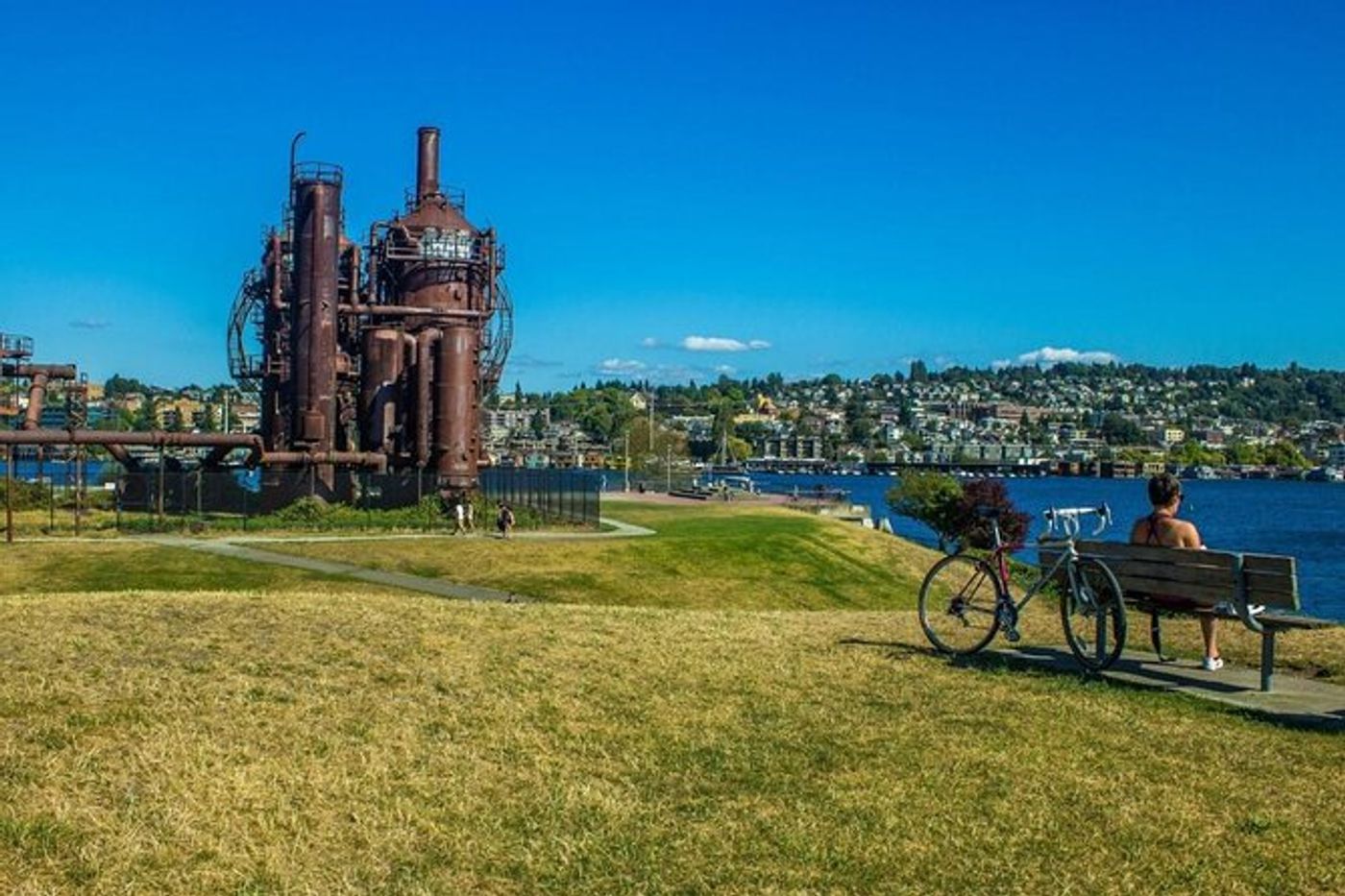
Park Name:Amenities:Success:The High Line, New York CityElevated greenway, walking paths, seating areas, art installations, gardens with native plants, water features, and food vendorsTransformed an old railway into a vibrant urban park, attracting millions of visitors annually and boosting local businessesMillennium Park, ChicagoIconic Cloud Gate sculpture (The Bean), Jay Pritzker Pavilion for concerts, Crown Fountain, Lurie Garden, ice skating rink, and public art displaysBecame a major cultural hub, providing diverse recreational and cultural experiences whil revitalizing downtown ChicagoGas Works Park, SeattlePicnic areas, kite flying hill, playground, bike paths, water views and preserved industrial structuresConverted a former gasification plant into a unique park, blending industrial history with natural beauty and offering varied recreational opportunitiesStanley Park, Vancouver, CanadaSeawall for walking and cycling, beaches, picnic areas, playgrounds, gardens, sports facilities, and the Vancouver AquariumOne of the largest urban parks in North America, known for its natural beauty and extensive amenities, attracting locals and tourists alike.Park GÜell, Barcelona, SpainUnique architecture by Antoni Gaudi, mosaic art, gardens, playgrounds, picnic areas, and scenic viewpointsA UNESCO World Heritage Site that combines artistic elements with natural surroundings, offering a distinctive visitor experience.Gardens by the Bay, SingaporeSupertree Grove, Cloud Forest and Flower Dome conservatories, walking trails, water features, art sculptures, and children's play areas.An iconic garden that merges horticulture with sustainable engineering, becoming a major tourist attraction and green space in the city.Maggie Daley Park, ChicagoPlay garden, climbing wall, ice skating ribbon, mini-golf course, picnic groves, and event spacesProvides a wide range of activities for all ages, enhancing the city's recreational offerings and complementing nearby Millennium Park.Zaryadye Park, Moscow, RussiaFloating bridge, underground museum, concert hall, various themed landscapes (tundra, steppe, forest), media center, and ice caveModern urban park that integrates diverse natural and cultural elements, attracting millions of visitors and revitalizing a central area of MoscowBryant Park, New York CityOpen lawn, reading room, games area, outdoor dining, seasonal ice skating rink, and regular programming (movie nights, yoga classes)
A vibrant public space known for its diverse amenities and events, creating a dynamic community hub in the heart of Manhattan