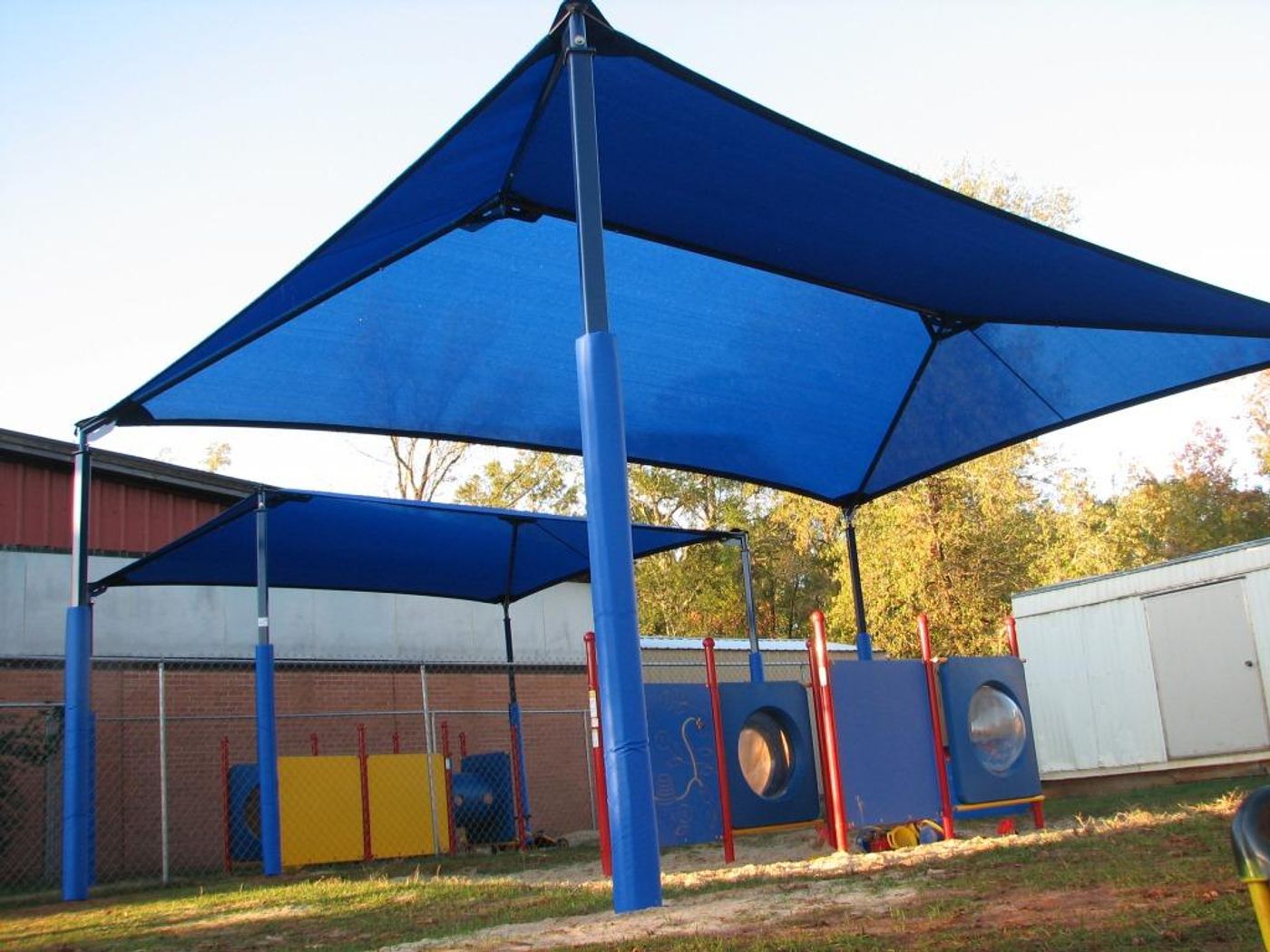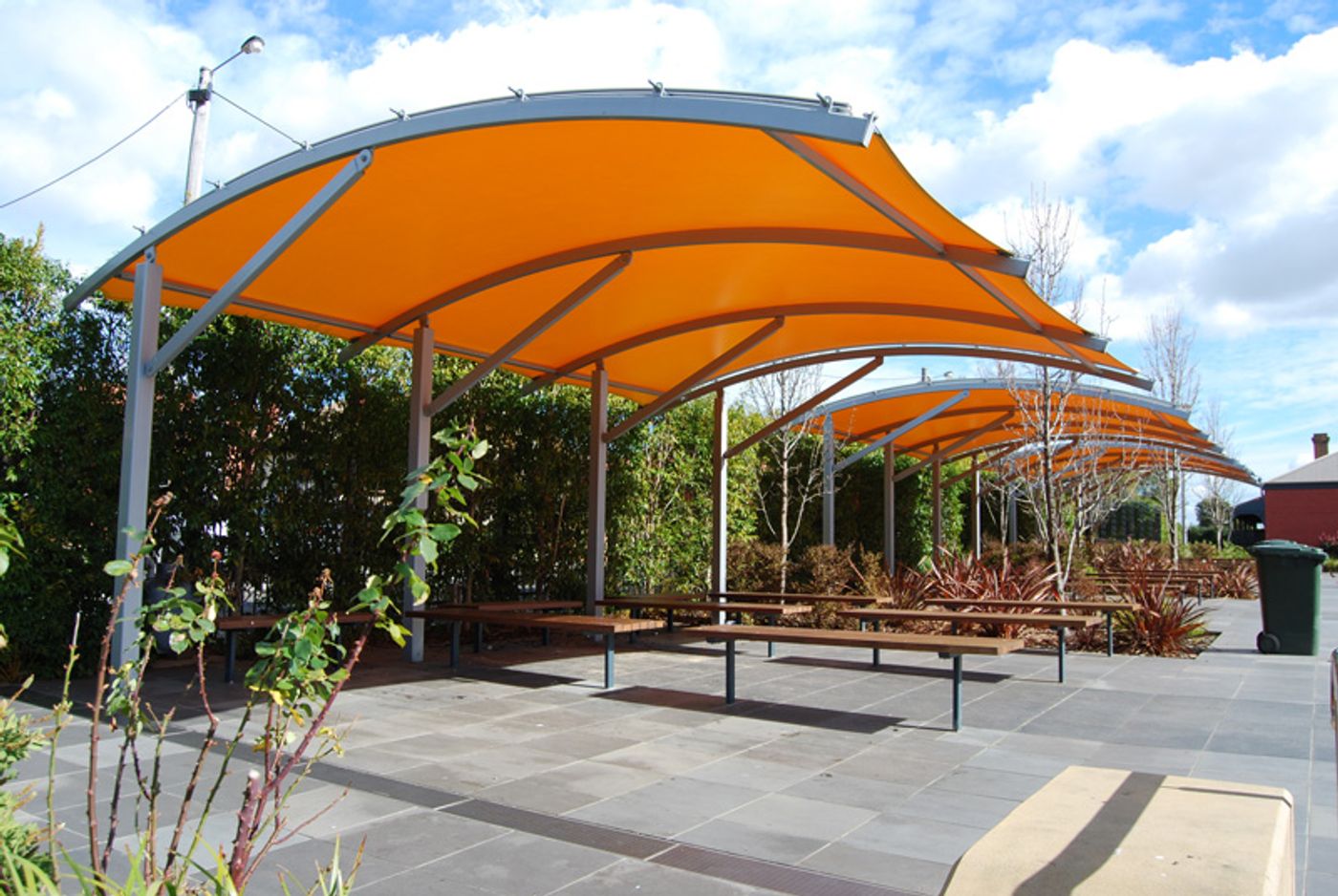
Creating Comfortable Commercial Spaces with Custom Shade Structures
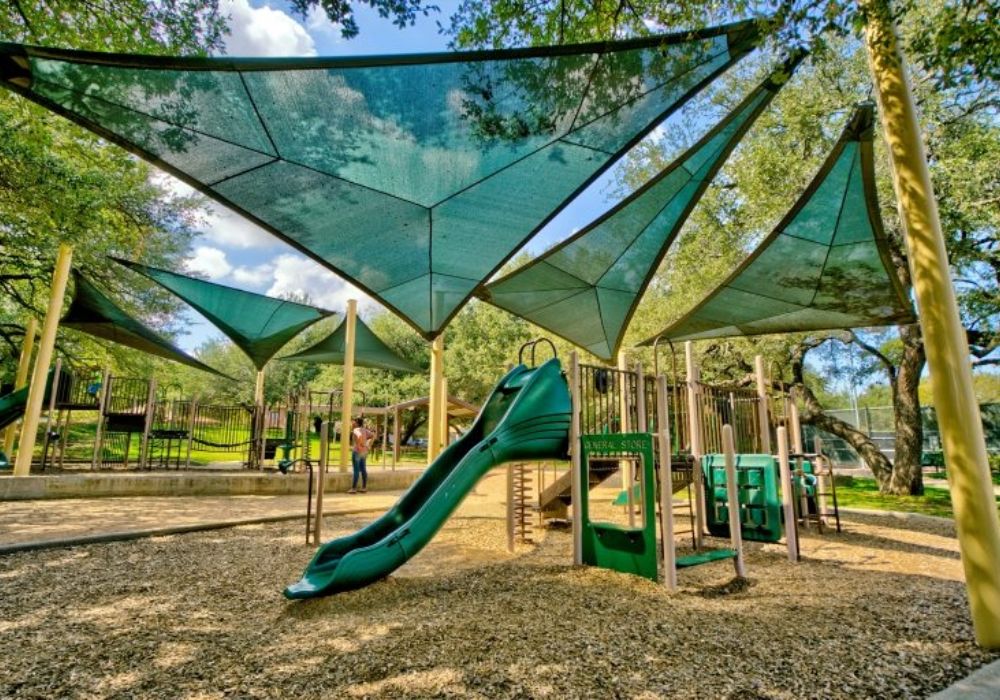
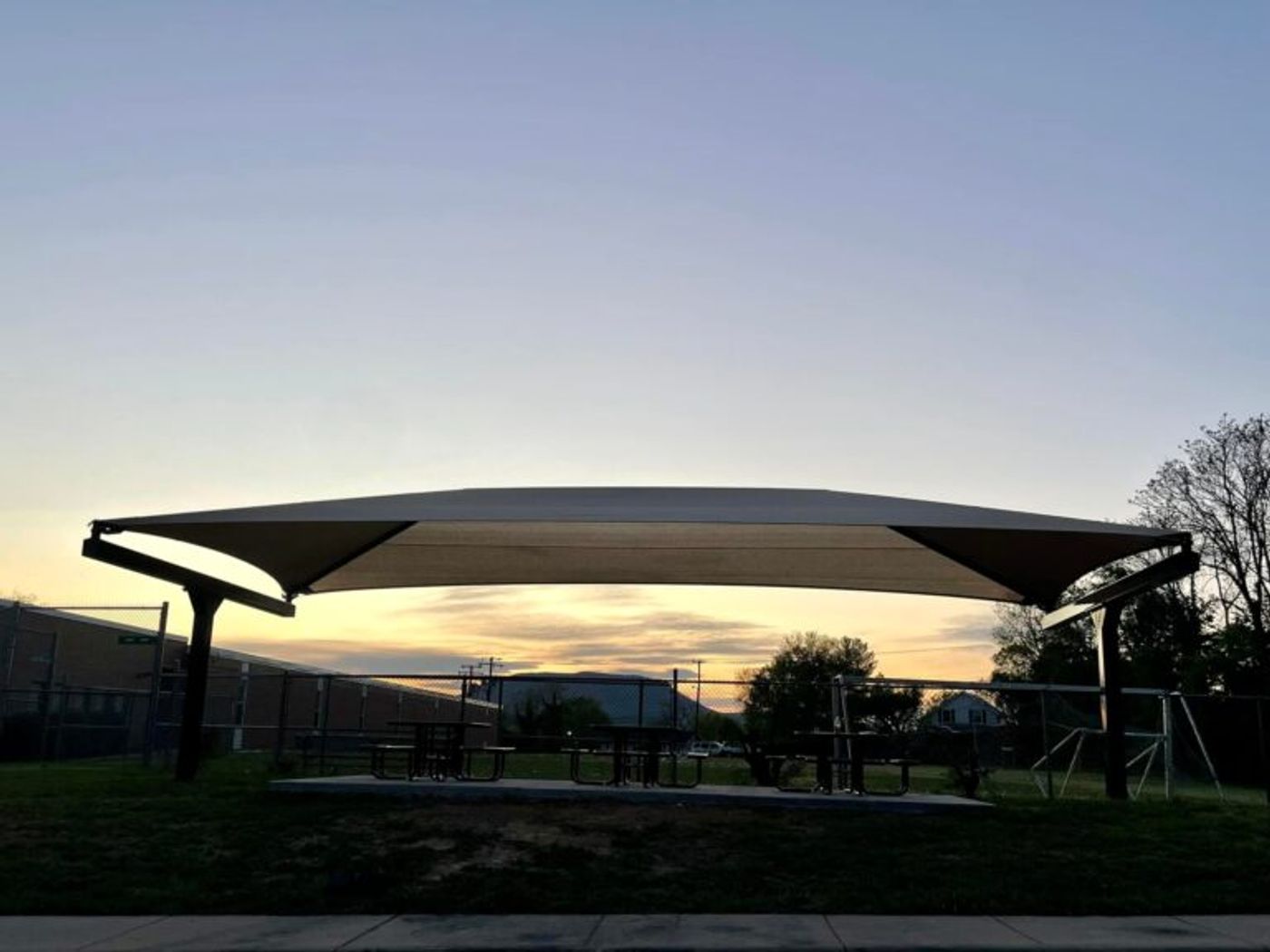
Commercial shade structures are designed to provide protection from the sun in outdoor settings. These structures are commonly used in various commercial environments such as parks, playgrounds, sports facilities, schools, parking lots, and outdoor dining areas. They come in various forms, including canopies, awnings, pergolas, and tensile structures. Permanent outdoor shade structures play a crucial role in enhancing outdoor spaces for businesses and parks. Here are some key reasons why they are important:
For Businesses:
- Increased Customer Comfort: Shade structures provide a comfortable environment for customer, encouraging them to stay longer and enjoy their time. This can be particularly beneficial for restaurants, cafes, and retail spaces with outdoor areas.
- Extended Usability: By making outdoor spaces more usable during hot and sunny days, businesses can maximize their outdoor areas for longer periods, potentially increasing revenue.
- Aesthetic Appeal: Well-designed shade structures can enhance the visual appeal of a business's outdoor area, making it more inviting and attractive to customers.
- Branding Opportunities: Customizable shade structures can incorporate branding elements such as colors, logos, and designs, reinforcing a business's identity and presence.
- Energy Efficiency: By shading windows and reducing direct sunlight, shade structures can help lower indoor temperatures, reducing the need for air conditioning and leading to cost savings on energy bills.
- Protection of Assets: They help protect outdoor furniture, displays, and other assets from sun damage, prolonging their lifespan and maintaining their appearance.
For Parks:
- Public Health and Safety: Providing shaded areas in parks helps protect visitors from harmful UV rays, reducing the risk of sunburn and heat-related illnesses.
- Enhanced Visitor Experience: Shaded areas make parks more comfortable and enjoyable, encouraging longer visits and greater use of park facilities.
- Inclusivity: Shade structures create more accessible environments for people who are sensitive to heat or have health conditions that make sun exposure risky.
- Aesthetic and Recreational Value: Shade structures can be designed to complement the natural beauty of the park, adding both functional and aesthetic value. They also provide spaces for picnics, rest and social gatherings.
- Environmental Benefits: Shading plants and playgrounds can reduce water evaporation from soil and plants, contributing to water conservation and healthier vegetation.
- Community Engagement: Parks with well-designed shade structures can host a variety of community events, such as outdoor classes, performances, and social gatherings, fostering community engagement and social interaction.
Shade structures significantly enhance the usability, comfort, and attractiveness of outdoor spaces for both businesses and parks, leading to numerous economic, social, and environmental benefits.
I. The Role of Shade Structures in Commercial Spaces
Shade structures play a vital role in creating inviting outdoor areas for customers, employees, and visitors by providing comfort, protection and aesthetic appeal. Shade structures can be designed to complement the architecture and landscape, adding visual interest and enhancing the overall look of the area. Investing in high-quality shade structures reflects positively on a business or organization, showing a commitment to customer and employee comfort. They can contribute to sustainability efforts by reducing the need for artificial cooling and protecting landscaping from direct sunlight. In public and community spaces, shade structures provide valuable amenities that improve the quality of life for residents and visitors.
Providing shade offers numerous benefits, including sun protection, temperature regulation, and improved comfort.
- Sun Protection:
Shade structures significantly reduce exposure to harmful ultraviolet (UV) rays, which can cause skin damage, sunburn, and increase the risk of skin cancer. Shading helps protect the eyes from UV radiation, which can lead to cataracts and other eye conditions. By lowering the risk of heat-related illnesses such as heat stroke and dehydration, shaded areas contribute to overall health and safety.
- Temperature Regulation:
Shade structures can lower the temperature of an outdoor area by blocking direct sunlight, making it more comfortable, especially during hot weather. Shaded areas can help mitigate the urban heat island effect, where urban and suburban areas become significantly warmer than their rural surroundings due to human activities and infrastructure. Shading buildings and outdoor spaces can reduce the need for air conditioning, leading to lower energy consumption and costs.
- Improved Comfort:
Shade structures make outdoor spaces more usable throughout the day, allowing people to enjoy these areas even during peak sun hours. Shaded areas provide a cool and comfortable spot for relaxation, socializing, dining, and other activities, enhancing the overall user experience. In addition to sun protection, shade structures can offer shelter from rain and wind, making outdoor spaces functional in various weather conditions.
II. Tailoring Shade Structures to Park Environments
Integrating shade structures seamlessly into park settings requires thoughtful planning and design to ensure they enhance the natural beauty and functionality of the space. Here are specific considerations to keep in mind, design and aesthetics, placement and functionality, comfort and safety, environmental considerations, and budget.
Choose designs that complement the natural landscape and existing architecture. Materials and colors should blend with the surroundings to maintain the park's aesthetic appeal. Opt for minimalist designs that do not overwhelm the natural environment. Lightweight and airy structures can provide shade without obstructing views. Use eco-friendly and sustainable materials such as recycled steel, wood, or tensioned fabric to align with environmental goals and enhance park's natural look.
Position shade structures in areas where they will be most effective, such as over playgrounds, picnic areas, seating zones, and pathways. Consider the movement of the sun to maximize shading throughout the day. Design shade structures to serve multiple purposes. For example, a large canopy over a picnic area can also be used for community events, outdoor classes, or performances. Ensure that shaded areas are accessible to all park visitors, including those with disabilities. Incorporate wide pathways, ramps, and clear signage to enhance inclusivity.
Provide sufficient coverage to protect visitors from UV rays and heat. Consider the size and shape of the structure to ensure it offers adequate shade at different times of the day. Design structures to allow for natural airflow, keeping shaded areas cool and comfortable. This is especially important in hot climates. Select materials that are durable and easy to maintain, considering the local climate and potential wear and tear. Regular maintenance is essential to ensure the longevity and safety of the structures.
Avoid placing shade structures in areas where they might interfere with existing trees. Preserve mature trees as natural shade providers and integrate new structures around them. Incorporate green roofs or solar panels on shade structures to promote sustainability and energy efficiency. Green roofs can also enhance biodiversity and reduce stormwater runoff. Design shade structures to manage rainwater effectively, preventing erosion, and promoting water conservation. Integrating rain gardens or permeable surfaces can help with water management.
Consider the budget constraints and seek cost-effective yet durable solutions. Prefabricated structures can be a more affordable option while still providing quality and aesthetic value. Explore funding opportunities and grants from governmental and non-governmental organizations that support park improvements and environmental initiatives. Public-private partnerships can also be beneficial.
By carefully considering these factors, park planners and designers can integrate shade structures that enhance that park's functionality, aesthetics, and environmental sustainability, creating inviting and comfortable spaces for all visitors.
III. Customization Options for Shade Structures
Customizing shade structures allows for a tailored fit to the specific needs and aesthetics of the space.
By considering these customization possibilities, you can design shade structures that not only meet practical needs but also enhance the visual and functional appeal of the space, creating a more enjoyable and engaging environment for all users.
IV. Case Studies: Successful Implementations
- High Line Park, New York City: The High Line, an elevated linear park built on a historic freight rail line, uses custom-designed shade structures to create comfortable rest areas for visitors. These shade structures provide much-needed relief from the sun, enhance the park's aesthetic appeal, and create inviting spaces for relaxation and social interaction.
- Millennium Park, Chicago: This iconic park features several innovative shade structures, including the BP Bridge and the Jay Pritzker Pavilion. The shade structures contribute to the park's unique architectural identity and offer comfortable spaces for visitors to enjoy performances and strolls.
- Parque Fundidora, Moterrey, Mexico: A large urban park created on the site of a former steel foundry, incorporating numerous shade structures. These structures provide sun protection and enhance the park's usability, making it a popular destination for families and tourists.
- Googleplex, Mountain View, California: Google's headquarters features extensive outdoor areas designed for employee comfort and productivity. These structures create comfortable environments for employees to work and relax outdoors, promoting well-being and productivity.
- The Grove, Los Angeles, California: A popular outdoor shopping and entertainment complex features custom awnings, canopies and pergolas over walkways, dining areas and seating zones. The shade structures enhance the shopping experience by providing comfort and protection from the sun, encouraging visitors to spend more time and money at the complex.
- Universal City Walk, Orlando, Florida: An outdoor entertainment and shopping district adjacent to Universal Studios theme park includes vibrant tensile fabric structures, custom awnings and shaded seating areas. These structures create a festive and comfortable atmosphere, making the area more appealing to visitors and enhancing their overall experience.
V. Maintenance and Longevity
Tensile fabric shade structures require regular maintenance and proper care to ensure their longevity, safety, and appearance. Here are the key maintenance and care requirements:
- Regular Inspections:Conduct visual inspections at least twice a year, or more frequently in harsh climates. Look for signs of wear and tear, such as fabric tears, seam separation, sagging, discoloration, and mildew.Inspect the structural framework for rust, corrosion, or any signs of structural damage. Check the condition of anchor points, cables, and tensioning hardware. Ensure all bolts, screws, and other fasteners are tight and in good condition.
- Cleaning:Clean the fabric at least once a year, or more frequently if the structure is exposed to heavy pollunation or tree sap. Use a soft brush or cloth with mild soap and water. Avoid harsh chemicals or abrasive tools that can damage the fabric. Thoroughly rinse the fabric with clean water to remove soap residue. Allow the fabric to dry completely before re-tensioning.Clean metal frames with a suitable cleaner and soft cloth. For metal frames, remove any rust spots with a wire brush and apply a rust inhibitor or touch-up paint.
- Tensioning:Regularly check the tension of the fabric to ensure it remains taut and properly shaped. Adjust tensioning devices as needed to maintain the correct tension and prevent sagging.
- Repairs:Small tears or holes can be patched using repair kits specifically designed for the fabric material. Repair or reinforce seams that show signs of separation or wear. For significant damage or structural issues, contact the manufacturer or a professional repair service to ensure proper repairs.
- Seasonal MaintenanceSpring and Fall: Perform comprehensive inspections and maintenance tasks at the beginning and end of the high-use seasons. Thoroughly clean the structure to remove accumulated dirt, pollen, and debris.Winterizing: If the structure is not in use during the winter, consider removing or covering the fabric to protect it from the harsh weather conditions. Store the fabric in a cool, dry place if it is removed for the winter.
Tensile fabric shade structures can remain in excellent condition, providing reliable protection and aesthetic appeal for many years if these maintenance and care guidelines are followed.
VI. Cost Considerations and Return on Investment
Custom shade structures can be a significant investment, and potential concerns about their cost often arise during the planning and decision-making process. These shade structures often have higher upfront costs compared to standard or off-the-shelf solutions. Custom structures are usually built with high-quality materials and craftsmanship, which can offer better durability and longer lifespan, leading to long-term savings.
Ongoing maintenance and repair costs can add to the total expenditure over time. Regular maintenance can prevent costly repairs and extend the lifespan of the structure. Budgeting for routine maintenance as part of the overall cost can help manage expenses.
Installation of custom shade structures can be complex and expensive, especially if the site requires significant preparation. Proper planning and site assessment can help identify potential challenges early, allowing for more accurate budgeting.
The cost of design, engineering, and customization can add up, especially for complex or large-scale projects. Collaborate with manufacturers who offer integrated design and engineering services to streamline the process and potentially reduce costs.
Obtaining necessary permits and ensuring compliance with local regulations can incur additional costs. Engage with local authorities early in the planning process to understand the requirements and incorporate them into the project budget.
Justifying the high initial cost with long-term ROI can be challenging. Well-designed shade structures can increase the usability of outdoor spaces, attracting more visitors or customers, and potentially increasing revenue. Improved comfort and aesthetics can enhance user satisfaction and retention, contributing to long-term success. Providing sun protection and comfortable environments can reduce health risks, potenially lowering liability and healthcare costs.
Investing in custom shade structures offers numerous benefits that can significantly enhance the functionality, aesthetics, and overall value of outdoor spaces. It is a strategic decision that creates improved user experience, and increased usability to economic, health, and environmental advantages. By enhancing the functionality and aesthetic appeal of outdoor spaces, these structures can provide significant long-term value, making them a worthwhile investment for parks, businesses, and public areas.
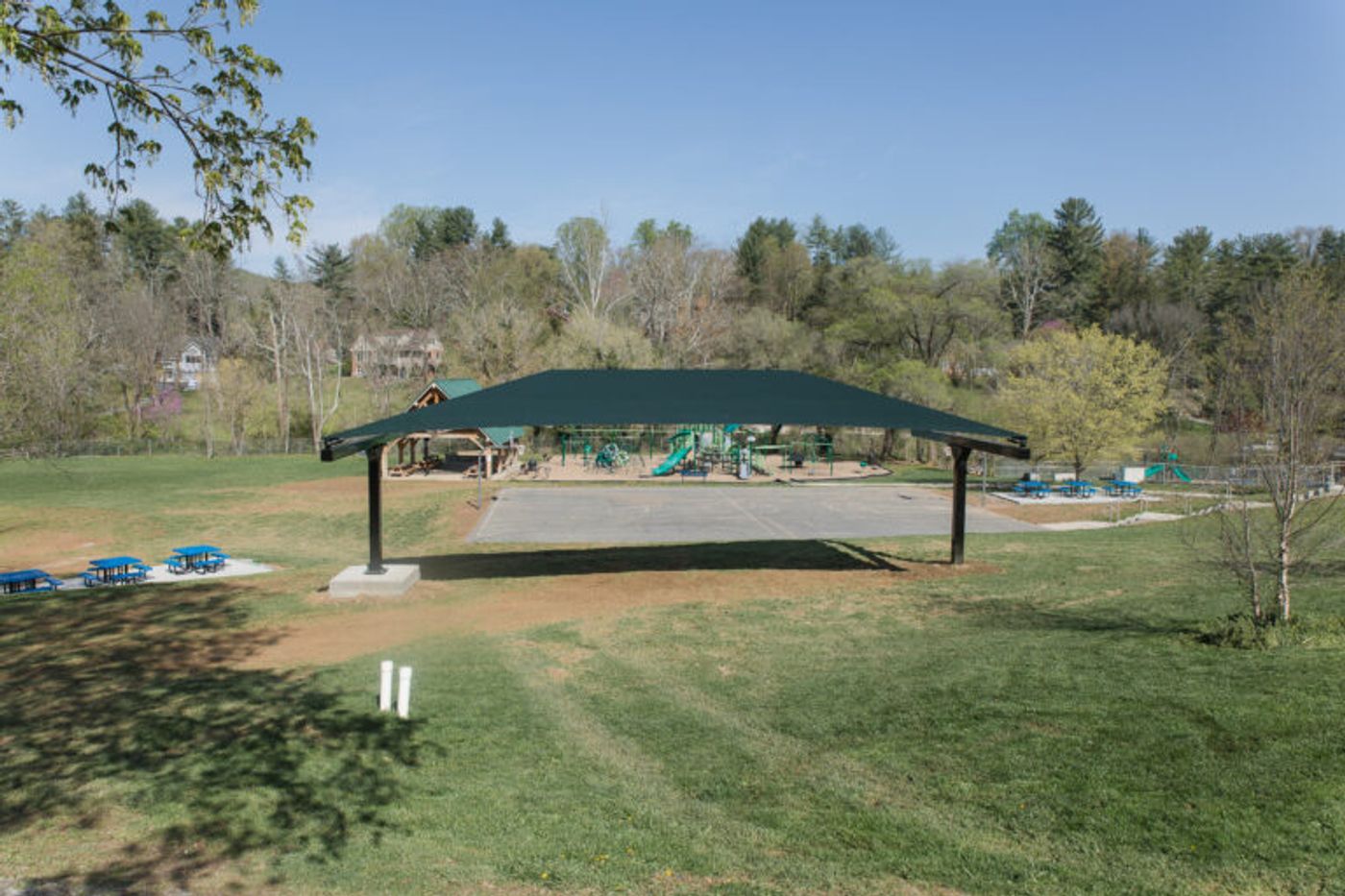
Materials:FabricMetalTypesOptions include PVC-coated polyester, HDPE (High-Density Polyethylene) mesh, and canvas.Steel, aluminum, and wrought iron.BenefitsLightweight, flexible, available in various colors, and provides effective UV protection. HDPE mesh is particularly durable and resistant to mold and mildew.Durable, strong, and can be powder-coated in various colors. Steel offers robust support, while aluminum is lightweight and rust-resistant.ApplicationIdeal for tensile structures, canopies, and sail shades.Suitable for pergolas, gazebos, and fixed-frame structures.Colors:Neutral Tones Beige, gray, and white are classic choices that blend well with natural environments and existing architecture.Bold ColorsBright colors like red, blue, and green can create focal points and vibrancy to the space.Custom ColorsMany manufacturers offer custom color options to match specific branding or design requirements.PatternsIncorporate patterns or logos into the fabric for a unique look or branding purpose.Sizes:Small StructuresIdeal for individual seating areas, small patios, or specific spots like benches and kiosks.Medium StructuresSuitable for playgrounds picnic areas, and small even spaces. These can cover spaces like outdoor dining areas or small stages.Large StructuresDesigned for extensive coverage, suitable for large even spaces, amphitheaters, sports facilities, and expansive playgrounds.Custom DimensionsTailor the size to specific site requirements, ensuring the structure fits perfectly within the designated space and provides adequate coverage.