
Beyond Functionality: The Aesthetics of Architectural Site Furnishings
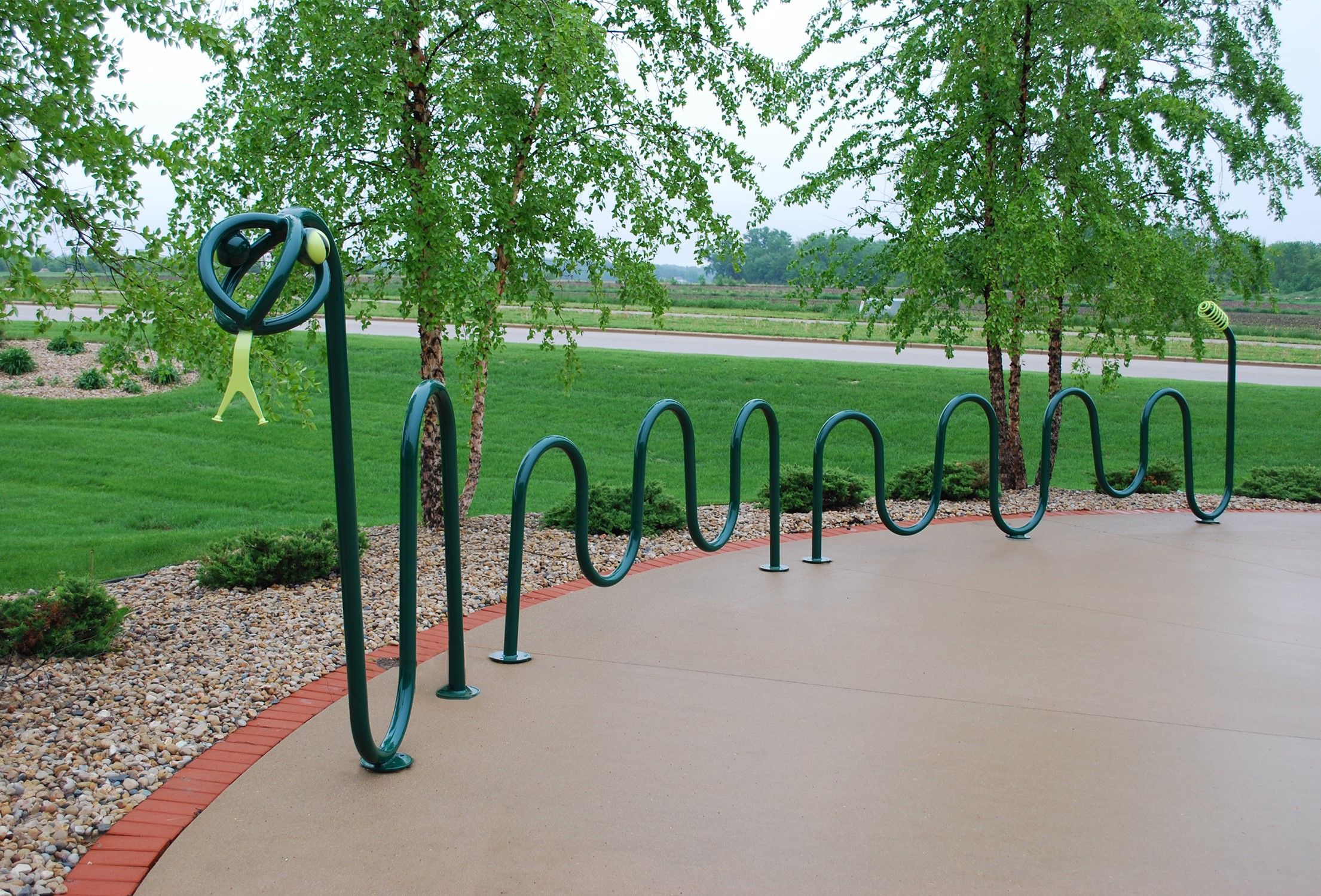
Architectural site furnishings do more than serve a purpose – they help define the character and feel of an outdoor space. From sculptural benches to stylish bike racks and planters, these elements bring a landscape to life. When chosen thoughtfully, they complement the surrounding architecture and enhance both form and function. In today’s parks, campuses, resorts, and public plazas, site furnishings aren’t just accessories – they’re design features that shape the entire experience.
I. Defining Architectural Site Furnishings
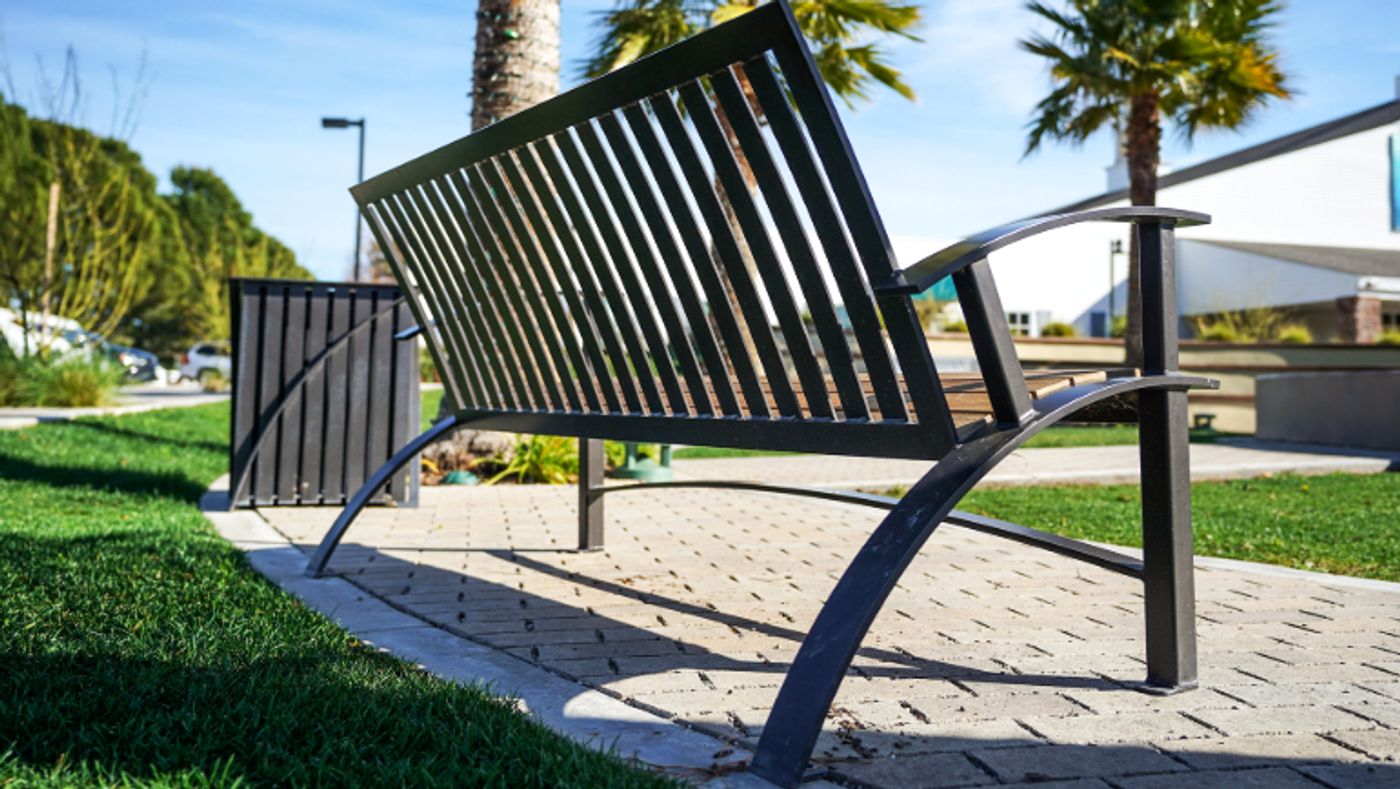
Architectural site furnishings are intentionally designed outdoor elements that blend function with elevated aesthetics. Unlike standard outdoor furniture that focuses mainly on utility, these pieces use thoughtful materials, forms, and finishes to complement surrounding architecture and landscape design. They’re integrated into the environment to support sightlines, pedestrian flow, and overall design themes. From modern benches to sculptural shade structures, architectural site furnishings help create cohesive, inviting spaces that feel purposeful and visually unified.
II. The Impact of Aesthetics on Outdoor Spaces
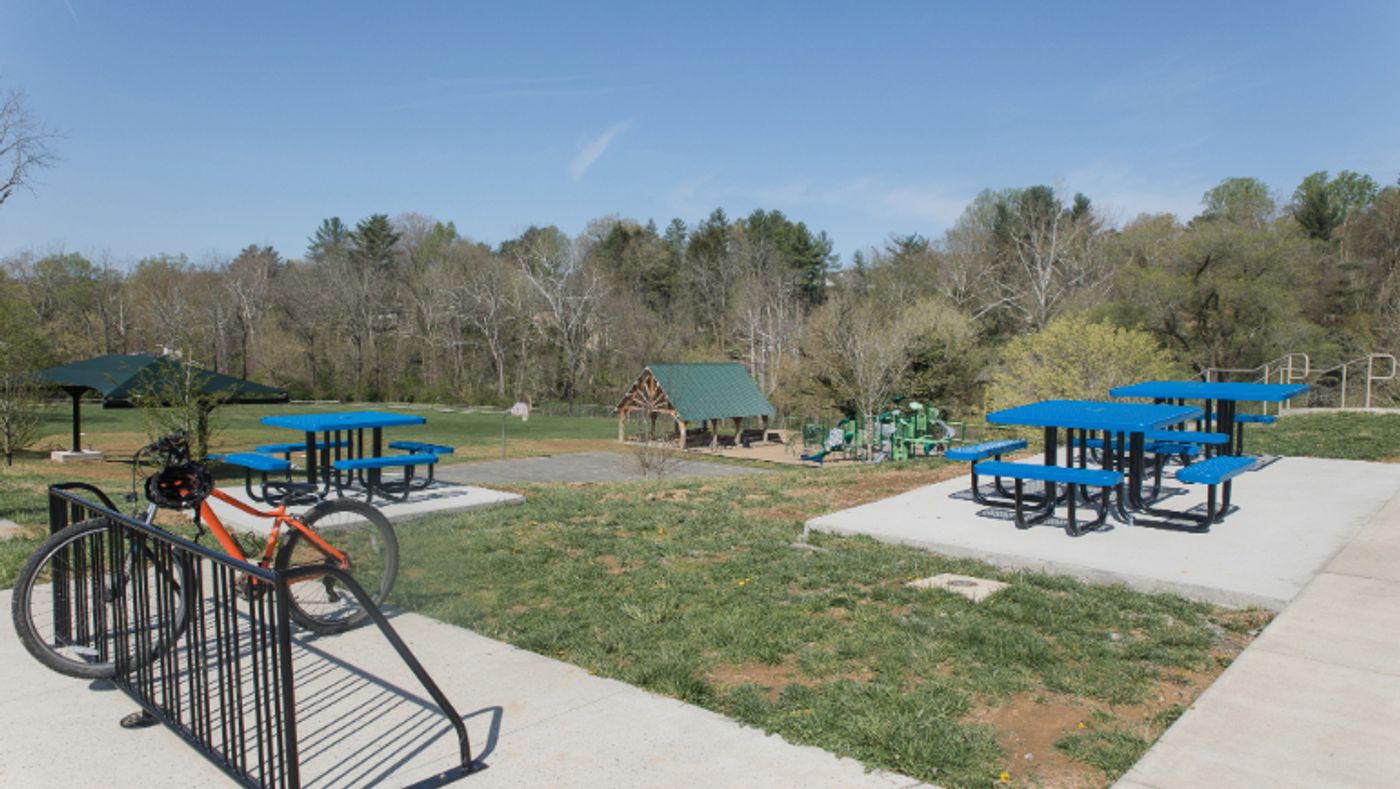
Aesthetics play a major role in how people experience outdoor spaces. Whether it’s a plaza, park, campus, or resort, visually appealing environments feel more inviting, comfortable, and memorable. Architectural site furnishings help achieve this by adding character through their shapes, colors, materials, and textures – much like décor ties together an interior space.
Thoughtful furnishings also guide how people use the area, subtly indicating where to sit, gather, dispose of waste, or find shade. When beauty and function work together, outdoor spaces become destinations that encourage visitors to linger, connect, and return. In essence, well-designed site furnishings transform ordinary spaces into meaningful, engaging places.
III. Blending Form and Function
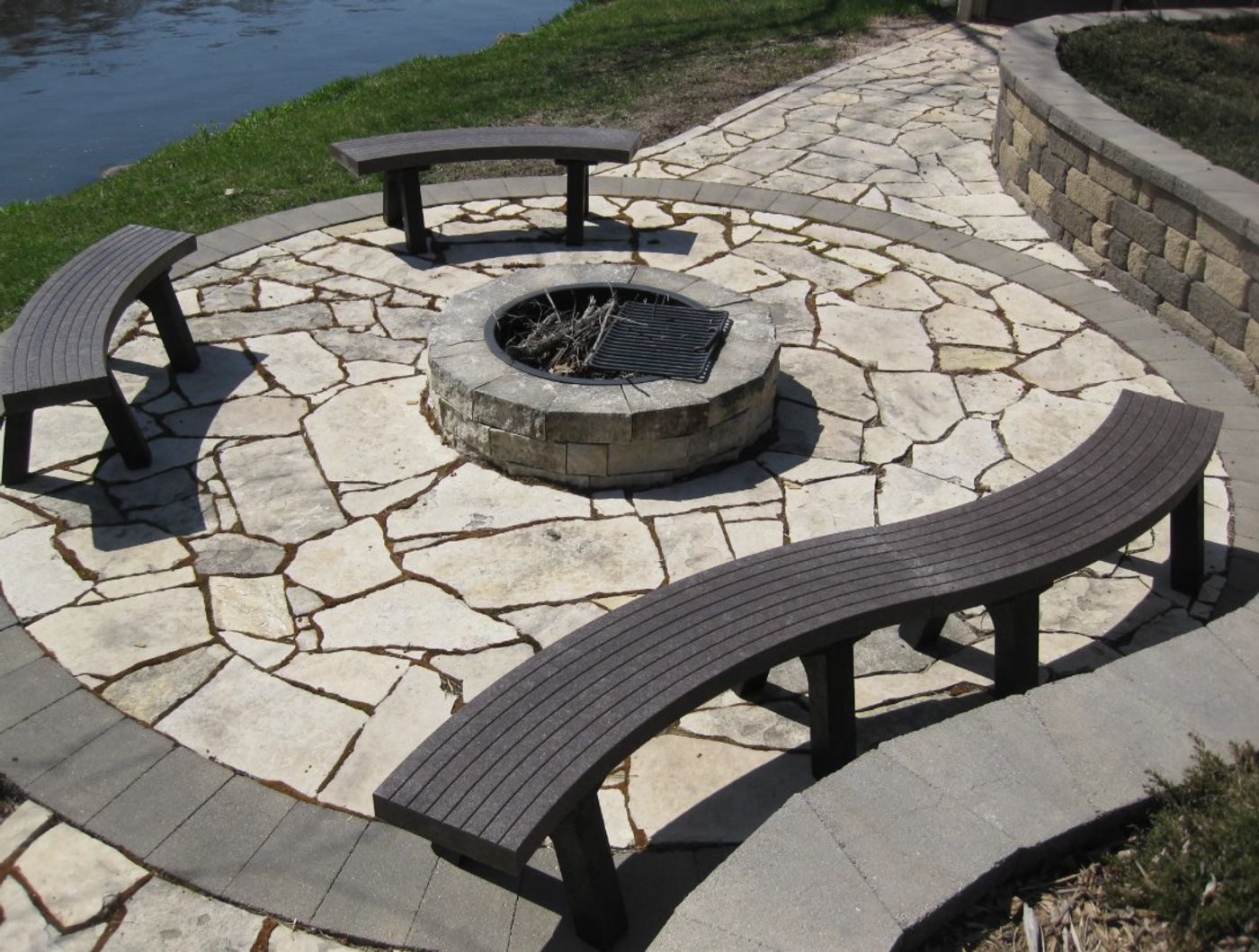
Architectural site furnishings strike a balance that standard outdoor elements often miss – combining everyday function with artistic expression. While they provide essential uses like seating, shade, waste collection, and bike storage, they’re also designed to complement the architecture and enhance the visual story of the space.
The key is blending form and function. Designers consider scale, materials, color, and shape so each piece performs well and naturally integrated into its surroundings.
Examples of form and function working together include:
- Benches that mirror nearby architectural lines for a cohesive look.
- Waste receptacles with sleek, sculptural forms that enhance rather than distract.
- Bike racks that double as artistic features while remaining fully functional.
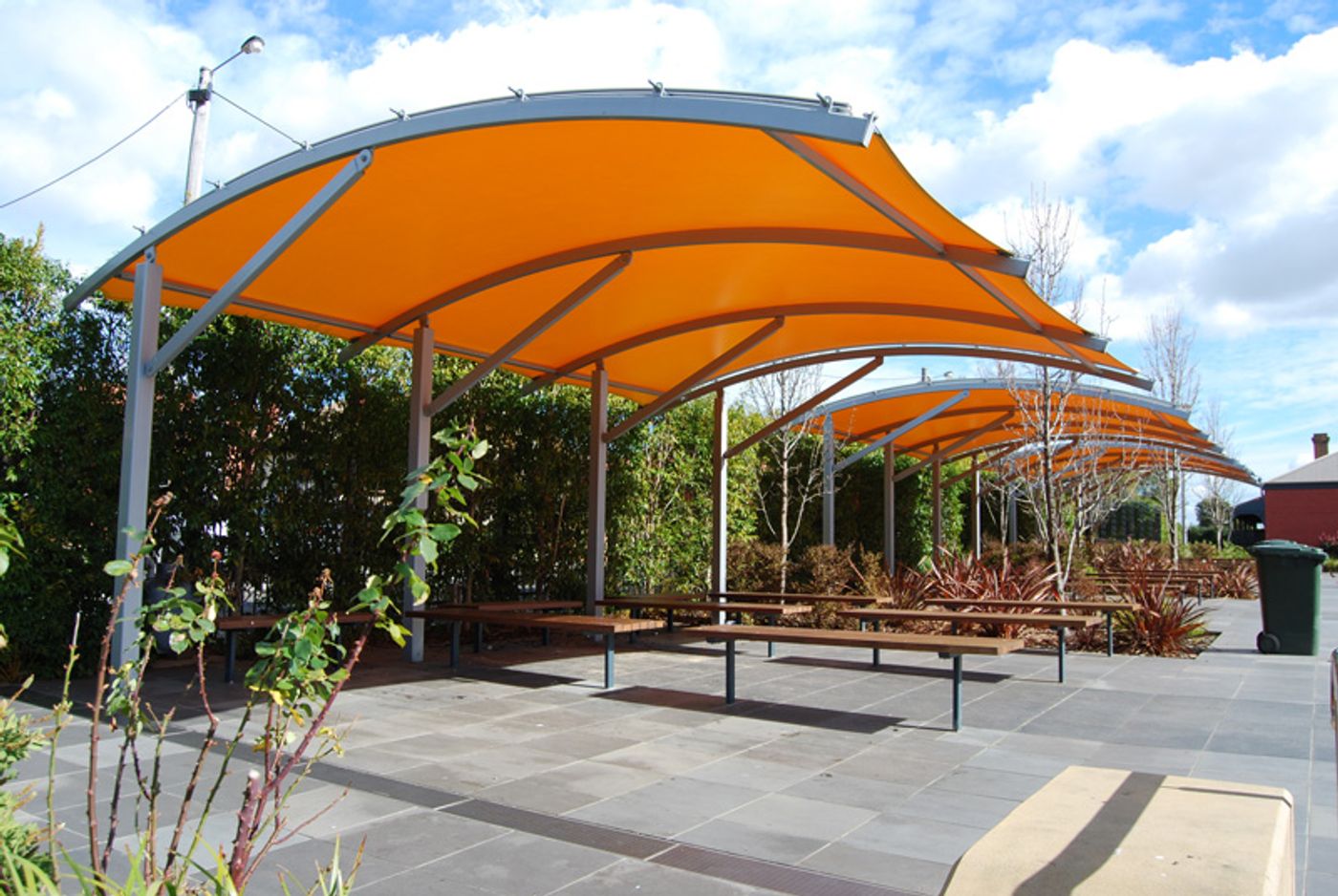
- Shade structures that echo architectural motifs for a unified design.
In every case, these furnishings fulfill their purpose while supporting the overall design vision – proving that practicality and creativity can seamlessly coexist in outdoor spaces.
IV. Diverse Styles and Materials
Architectural site furnishings come in a wide range of styles and materials, giving designers the flexibility to create anything from classic, timeless environments to bold, contemporary spaces. These choices influence not only the look of an area but also its durability, maintenance needs, and harmony with surrounding architecture.
Design Styles:
- Classic/Traditional: Warm tones and natural materials suited for historic or formal settings.
- Modern/Minimalist: Clean lines and geometric forms ideal for urban and contemporary spaces.
- Rustic/Natural: Organic textures and earth tones that blend well with parks, trails, and resorts.
- Bold/Artistic: Sculptural shapes and creative finishes that double as visual focal points.
Materials:
- Wood: Warm, inviting, and timeless; great for benches, planters, and shade structures.
- Metal (Steel, Aluminum, Cast Iron): Durable and versatile, offering modern or traditional styles depending on finish.
- Concrete: Strong, sculptural, and customizable for both minimal and dramatic designs.
- Recycled Plastic: Sustainable, low-maintenance, and weather-resistant with the look of wood.
- Coatings/Finishes (Powder-Coat, Thermoplastic, Plastisol): Enhance color, durability, and long-term appearance.
Together, these styles and materials allow architectural site furnishings to be tailored to any setting – ensuring outdoor spaces are both visually cohesive and highly functional.

V. Customization and Integration
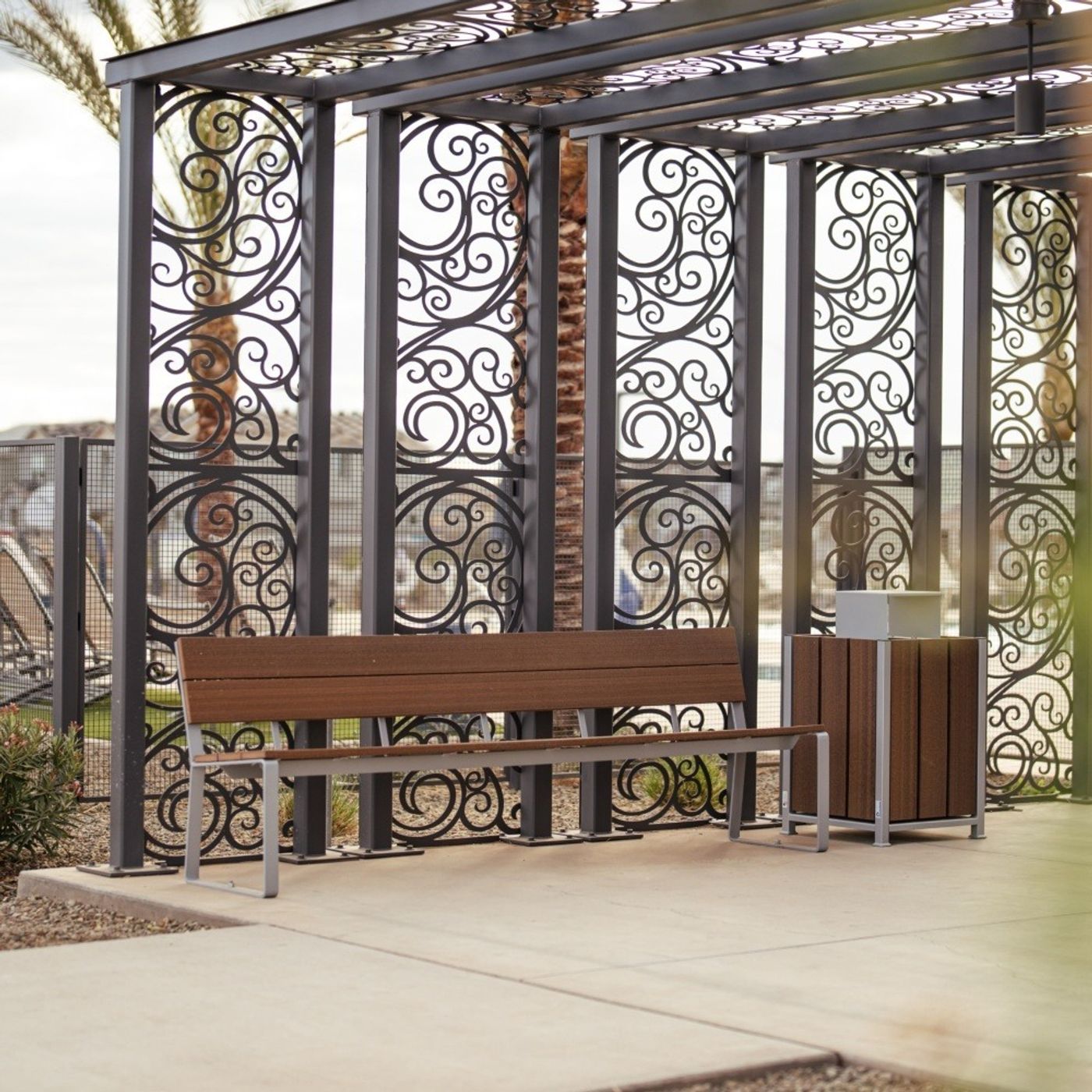
One of the biggest advantages of architectural site furnishings is their ability to be customized to match the identity and vision of a space. Instead of a one-size-fits-all approach, designers can tailor colors, materials, finishes, and even shapes to complement surrounding architecture and reinforce branding. This customization makes outdoor environments feel intentional, polished, and uniquely their own.
Ways Furnishings Can Be Customized:
- Color Matching: Powder-coated or thermoplastic finishes aligned with brand or architectural palettes.
- Logos and Emblems: Laser-cut or engraved details added to benches, bike racks, and receptacles.
- Materials and Textures: Choices that echo nearby buildings, like matching wood tones or metal finishes.
- Unique Forms: Adjusted silhouettes or details that reflect modern, traditional, rustic, or industrial styles.
Why Integration Matters:
- Architectural Alignment: Furnishings should mirror surrounding forms, patterns, and rooflines.
- Improved Flow: Placement and spacing help guide movement and define gathering areas.
- Visual Consistency: Coordinated families of benches, tables, planters, and receptacles create cohesion.
- Better User Experience: Integrated furnishings support natural use and circulation.
When customized and thoughtfully placed, architectural site furnishings do more than serve a purpose – they help tell a story, creating outdoor spaces that feel cohesive, meaningful, and distinctly designed.
VI. Conclusion
Architectural site furnishings play a key role in creating outdoor spaces that are not only functional but memorable and visually appealing. As we’ve explored, these elements help define a space’s character, guide how people interact with it, and enhance the overall experience.
More than simple utilities, architectural furnishings act as extensions of the surrounding design – bringing cohesion, style, and purpose to parks, campuses, resorts, public plazas, and commercial developments. When chosen thoughtfully and integrated with the architecture and landscape, they transform ordinary areas into meaningful destinations.
In short, architectural site furnishings are the subtle yet powerful tools that make outdoor environments feel intentional, inviting, and worth returning to.