We value your privacy. We use cookies to run this site and, with your consent, to measure traffic and personalize marketing. Cookies needed for shopping and checkout are always on. Learn more.


Proven Strategies for Site Furnishings
Creating functional, attractive, and long-lasting outdoor spaces requires more than just choosing furniture that looks good - it's about selecting commercial-grade site furnishings that deliver on durability, safety, and design. Whether you're outfitting a park, pool deck, campus, or community space, every detail matters. From bike racks and picnic tables to benches and trash receptacles, the right selections enhance usability, comfort, and the overall guest experience. In this post, we'll explore key strategies for choosing and maintaining outdoor furnishings that stand the test of time - and reflect the quality and care your property deserves.

ParknPool proudly services a diverse customer base that includes Park and Recreation Departments, Homeowners Associations, and municipalities at the city, state, and county levels. We also partner with school districts and universities, as well as resorts and campgrounds, providing high-quality outdoor furnishings and amenities to meet the needs of both public and private spaces. In addition to providing solutions to this customer base, we have a lot of opportunities to interact face to face at events, trade shows, and small one-on-one settings. These help us better understand your needs!
Now, let's discuss what types of commercial-grade site amenities we specialize in and our suggestions on best practices for each to help build better outdoor spaces.

I. Pool Furniture
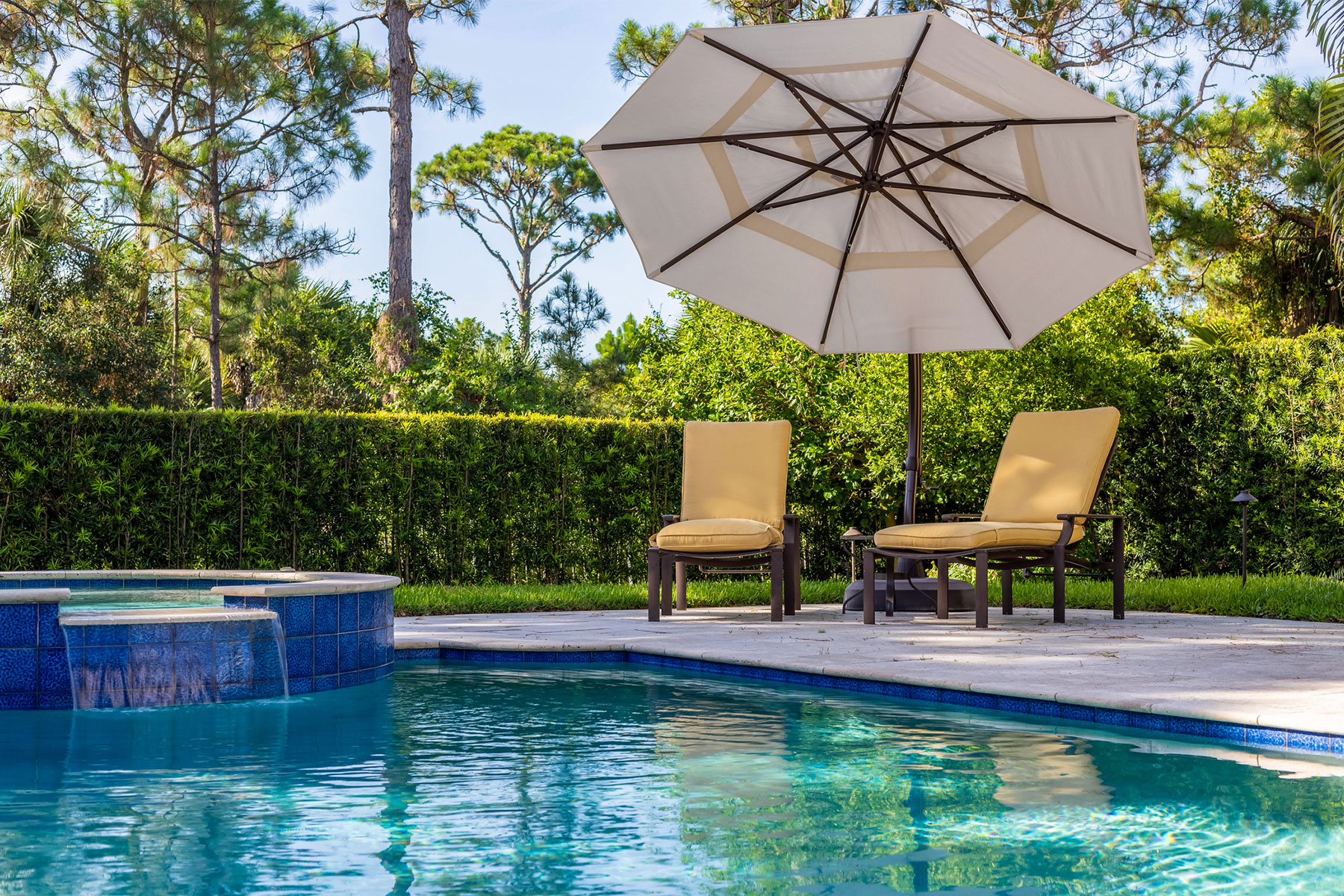
When it comes to commercial pools - whether at resorts, HOAs, universities, or municipal facilities - your furniture does more than provide a place to sit, it defines the experience. From durability and comfort to compliance and style, every decision matters. Here are 10 best practices to help you choose pool furniture that stands up to heavy use and delivers long-term value.
- Prioritize Durability: Commercial pool furniture faces constant exposure to sun, water, and frequent use. Choose materials built to last - like powder-coated aluminum, resin, or vinyl strap construction. These resist corrosion, fading, and cracking far better than residential options. Commercial-grade frames and hardware ensure the furniture can withstand both harsh weather and daily wear without losing strength or appearance.
- Select Easy-Maintenance Materials: Time spent cleaning and repairing furniture is time taken from serving guests. Opt for materials that are easy to maintain and quick to clean, such as sling fabrics, high-density resin, and marine-grade vinyl. These options wipe down easily and require minimal upkeep while maintaining a polished look throughout the season.
- Ensure Safety and Stability: In a commercial environment, safety always comes first. Choose furniture with non-slip feet, rounded edges, and reinforced joints to prevent accidents. Stability is key, especially around water where surfaces can become slick. Reliable furniture not only protects guests but also safeguards your facility's reputation.
- Focus on Comfort and Functionality: Comfort determines how long guests stay and how much they enjoy the experience. Incorporate a variety of seating - adjustable chaise lounges, stackable dining chairs, and coordinated side tables - to meet different needs. Commercial designs should balance comfort with function, offering both relaxation and practical usability for all visitors.
- Incorporate Design Consistency: Your pool area should reflect your brand's identity. Select colors, styles, and finishes that coordinate with your facility's architecture or theme. A cohesive look creates a professional, inviting atmosphere, whether you manage a beachfront resort or a community recreation center. Consistent design enhances both aesthetics and brand recognition.
- Plan for ADA Compliance: Accessibility isn't just about meeting regulations - it's about inclusivity. Ensure your pool deck includes ADA-compliant seating areas, accessible pathways, and shaded rest zones. Providing accessible options communicates that everyone is welcome and ensures your facility is both compliant and community-friendly.
- Add Shade and Accessories: Comfort extends beyond the chair itself. Incorporate commercial-grade umbrellas, cabanas, and tables to enhance usability and protect guests from sun exposure. Durable shade products also extend the lifespan of your furniture by reducing UV exposure, helping you maintain a fresh and inviting look longer.
- Invest for Longevity: Commercial furniture should be viewed as an investment, not an expense. Quality products cost more upfront but offer significantly longer life spans, fewer repairs, and better warranties. In the long run, investing in commercial-grade furniture saves money and reduces replacement frequency - keeping your pool area consistently guest-ready.
- Maintain Regularly: Even the best furniture needs care. Schedule routine inspections for loose bolts, fading straps, or fabric wear. Clean surfaces with non-abrasive cleaners and store pieces properly in the off-season. Regular maintenance extends product life and preserves warranties, ensuring your investment continues to perform year after year.
- Partner with Trusted Suppliers: Finally work with suppliers who understand commercial environments. Companies like us specialize in commercial-grade furnishings and can guide you through selection, customization, and maintenance. Partnering with an experienced vendor ensures your furniture meets industry standards for safety, performance, and aesthetics.
Commercial pool furniture should combine style, strength, and reliability. By following these best practices, facility managers can create welcoming outdoor spaces that look great, perform well, and stand the test of time.

II. Site Furnishings
When it comes to designing public spaces - whether it's a city park, school courtyard, or resort property - the right site amenities make all the difference. Features like bike racks, picnic tables, park benches, and trash receptacles enhance usability, encourage community engagement, and reflect the quality of your facility. Here are ten best practices to consider when selecting and maintaining your commercial-grade site furnishings.
- Select Durable, High Quality Materials: Commercial-grade site furnishings are an investment, and durability should always come first. Choose steel, aluminum, recycled plastic, or thermoplastic-coated finishes that can withstand years of public use. These materials are built to resist rust, fading, and cracking - ideal for parks, campuses, and municipal areas exposed to all kinds of weather.
- Prioritize Weather and Wear Resistance: Outdoor furnishings endure constant exposure to sun, moisture, and temperature changes. Look for UV-stabilized finishes and powder-coated frames that protect against corrosion. In coastal or high-humidity environments, aluminum or thermoplastic-coated steel offers superior longevity compared to untreated metal.
- Focus on Functionality: Beyond looks, site furnishings need to serve practical purposes. Select bike racks that accommodate various bike frames, benches with supportive backs, and tables with comfortable spacing. For multi-use spaces, consider portable or modular options that can be easily rearranged for events or seasonal needs.
- Plan for ADA Accessibility: Accessibility is both a legal requirement and a key to inclusivity. Incorporate ADA-compliant benches, tables, and clear pathways that ensure everyone can enjoy your outdoor areas. Wheelchair-accessible picnic tables and companion seating provide equal opportunities for participation and comfort.
- Ensure Proper Placement and Safety: Placement is as important as product choice. Position benches and tables in shaded, visible areas to promote comfort and security. Place trash receptacles in high-traffic zones to encourage cleanliness, and keep bike racks near entrances or walkways - but far enough to avoid pedestrian congestion.
- Maintain Visual Cohesion: Consistency across your site amenities creates a polished, intentional look. Choose matching colors, finishes, and styles for benches, tables, and receptacles that align with your property's branding or landscaping. This cohesive design enhances curb appeal and strengthens your facility's identity.
- Incorporate Sustainability: Sustainability matters to modern communities. Consider furnishings made from recycled plastic or reclaimed materials, which offer both strength and eco-friendly benefits. Partnering with vendors who emphasize sustainable manufacturing supports environmental goals while maintaining quality.
- Simplify Maintenance: Easy maintenance is key for long-term performance. Select materials with graffiti-resistant coatings and non-porous surfaces that clean easily. Schedule periodic inspections, tighten bolts, and touch up finishes to keep furniture safe and visually appealing year-round.
- Plan for Capacity and Traffic Flow: A well-designed space balances comfort with accessibility. Assess typical visitor numbers and plan enough seating, waste bins, and bike parking to handle peak traffic. Overcrowded areas can detract from the guest experience and cause unnecessary wear on furnishings.
- Partner with Experienced Suppliers: Work with a trusted vendor who understands the unique needs of public spaces and commercial-grade installations.
High-quality site furnishings don't just serve a purpose - they define the user experience. By following these best practices, facility managers, municipalities, and property developers can create welcoming, functional outdoor spaces that stand the test of time.

III. Bleachers and Grandstands
When it comes to designing or upgrading your spectator seating, safety, comfort, and longevity should always come first. Whether you're furnishing a school athletic field, community park, or large stadium, choosing the right bleachers or grandstands ensures your guests have a positive and secure experience. Here are ten practices to guide your next project.
- Ensure Safety and Code Compliance: Safety is non-negotiable. All bleachers and grandstands must meet IBC, OSHA, and ADA standards. Proper guardrails, non-slip surfaces, and clearly designed aisles help prevent accidents and keep spectators protected. Partnering with suppliers who understand these codes is key to ensuring every installation meets local and federal regulations.
- Use Durable, Commercial-Grade Materials: Investing in high-quality materials pays off over time. Aluminum and galvanized steel are industry favorites for their strength and corrosion resistance. Weatherproof coatings help resist rust and fading, ensuring your seating maintains its appearance and performance season after season.
- Provide ADA Accessibility: Accessibility is essential for inclusivity. Include wheelchair-accessible seating, companion spaces, and ramp access that meets ADA requirements. Making your facility accessible not only expands your audience but also demonstrates your commitment to community inclusion.
- Design for Capacity and Comfort: Think beyond how many people you can seat - consider how comfortable they'll be. Choose appropriate seat widths, footboards, and backrests for longer events. A well-planned seating layout enhances both spectator satisfaction and crowd flow.
- Plan for Stability and Structural Support: A stable foundation ensures the long-term safety of your bleachers. Install on level, compacted soil or concrete slabs and use proper anchoring to prevent movement. This is especially important in high-use or outdoor venues exposed to changing weather.
- Optimize Sightlines and Visibility: Every seat should offer a great view. Plan your layout to maximize visibility, using the right rise and run measurements between rows. Clean sightlines enhance the spectator experience and help reduce crowd movement during events.
- Incorporate Portability and Flexibility: For multi-purpose venues, consider tip-and-roll or transportable bleachers. These models allow facilities to reconfigure seating as needed and store units efficiently when not in use. Flexibility helps maximize space utilization throughout the year.
- Plan for Maintenance and Regular Inspections: Routine upkeep keeps your bleachers safe and looking their best. Schedule regular inspections to check for loose hardware, corrosion, or damage. Cleaning and tightening connections helps preserve finishes and protect your investment over time.
- Enhance Safety with Add-Ons: Small features make a big difference in safety. Guardrails, chain-link enclosures, end caps, and handrails help protect spectators and guide crowd movements. These enhancements also lend a professional, finished appearance to your seating area.
- Work with Experienced Suppliers: Finally, partner with professionals who understand both industry standards and real-world applications. ParknPool offers a range of bleachers and grandstands built for safety, comfort, and durability - along with expert guidance to help you select the perfect setup for your space and budget.
Well-designed bleachers and grandstands do more than provide seating - they enhance your facility's safety, appearance, and overall guest experience. By following these ten best practices, you'll create an environment that's functional, inviting, and built to last.

IV. Water Products
Outdoor water amenities like drinking fountains, body showers, foot wash stations, and water bottle fillers play an essential role in enhancing comfort, accessibility, and hygiene in public spaces. Whether installed at a park, beach, sports field, or pool facility, these fixtures must be designed to endure constant use and exposure to the elements. Below are ten best practices to ensure your outdoor water products deliver long-lasting performance and satisfaction for every user.
- Choose Durable, Weather-Resistant Materials: Commercial-grade outdoor fixtures must handle harsh sun, moisture, and heavy use. Opt for stainless steel, brass, or powder-coated steel to prevent rust and corrosion. These materials not only maintain a clean, polished appearance but also withstand years of outdoor exposure without degradation - crucial for high-traffic environments like parks and pool decks.
- Opt for Frost-Proof and Seasonal Flexibility: If your facility experiences cold winters, frost-proof valves are a must. They prevent pipes from freezing and bursting, allowing fountains and showers to remain operational year-round. For seasonal facilities, choose models that allow for easy winterization and drainage - simplifying off-season maintenance.
- Ensure Clean, Safe Water Delivery: Clean water is non-negotiable. Install units with lead-free components and NSF/ANSI-certified systems to ensure safe, potable water. Routine sanitization, filter replacement, and system flushing protect against bacterial growth and contamination, keeping your guests healthy and confident in your facility's standards.
- Prioritize Accessibility and ADA Compliance: Accessibility ensures inclusivity for all users. ADA-compliant fountains, showers, and foot wash stations are designed for wheelchair access, appropriate reach heights, and easy operation. Multi-level and child-height models expand usability, helping communities meet compliance standards while promoting equality in public spaces.
- Design for User Comfort and Convenience: Outdoor water features should be intuitive and user-friendly. Consider combination units that include fountains, foot washes, and showers in a single fixture to save space and enhance convenience. Add bottle fillers in high-activity zones so visitors can easily refill reusable bottles - encouraging hydration and sustainability.
- Plan Smart Placement and Drainage: Placement can make or break functionality. Install fountains and showers in visible, high-traffic areas near restrooms, pools, or athletic courts. Ensure proper drainage to prevent puddling and slipping hazards, and use textured, non-slip surfacing around units for added safety. Thoughtful positioning improves both usability and aesthetics.
- Focus on Vandal Resistance: Public fixtures are often exposed to wear and vandalism. Choose models featuring tamper-resistant hardware, concealed plumbing, and heavy-duty housings. Surface-mounted or recessed designs reduce vulnerable points, minimizing repair costs and downtime.
- Simplify Maintenance and Servicing: Efficient maintenance extends product lifespan. Select products that provide easy access to internal valves and filters for cleaning or replacement. Units with interchangeable components make servicing quick and cost-effective, allowing maintenance staff to keep facilities operational with minimal effort.
- Incorporate Sustainability Features: Modern outdoor water products should support environmental stewardship. Choose sensor-activated fountains and low-flow valves to conserve water, and install bottle fillers to cut down on single-use plastics. These eco-friendly upgrades show your facility's commitment to sustainability while lowering operational costs.
- Partner with Trusted Manufacturers and Suppliers: Finally, quality partnerships make all the difference. Work with reputable brands known for their durable, American-made water products. Through ParknPool, facilities can access expert guidance, customized layouts, and product options tailored to specific climate, usage, and budget requirements.
When properly selected, installed, and maintained, outdoor water products enhance both the functionality and appeal of any recreational or public space. By following these best practices, you'll ensure your installations are safe, sustainable, and built to last - keeping guests refreshed and facilities running smoothly for years to come.

V. Dog Park Equipment
Creating a safe, fun, and functional dog park takes more than installing a few agility pieces - it's about thoughtful design, durability, and accessibility for both pets and their owners. Whether you're designing a new park or upgrading an existing one, these ten best practices will help you build a space that's engaging, easy to maintain, and built to last.
- Prioritize Safety and Durability: When it comes to dog park equipment, safety should always come first. Choose commercial-grade materials like powder-coated steel or recycled plastic that can handle constant activity and exposure to the elements. Avoid sharp edges, small openings, or pinch points that could injure a dog. Ensure all components are securely anchored and that surfacing materials - such as turf, pea gravel, or engineered wood fiber - provide solid traction without being abrasive.
- Design for All Sizes and Skill Levels: Dogs come in every size and energy level, so your park should, too. Include a variety of equipment designed for small, medium, and large breeds, as well as a balance of beginner-friendly and advanced agility challenges. This inclusivity not only keeps dogs engaged but also reduces the risk of injury and overcrowding.
- Ensure Proper Layout and Spacing: A well-designed layout keeps play safe and enjoyable. Provide ample space between agility features so dogs can move freely without collisions. Separate areas for small and large dogs are ideal for preventing size-related accidents. Design pathways that allow pet owners to supervise easily from every angle.
- Focus on Accessibility: An inviting dog park welcomes everyone - two-legged or four-legged. Ensure ADA-compliant access with clear pathways, ramps, and seating areas. Add resting zones and shaded spots for pet owners and dogs who may need a break, making the park enjoyable for all visitors.
- Incorporate Shade and Seating: Sun exposure can quickly cut a park visit short. Add shade structures, trees, or canopies to keep the area cool during warm months. Comfortable benches or picnic tables give pet owners a place to relax and socialize, encouraging longer visits and a more positive experience.
- Support Cleanliness and Maintenance: Clean parks are healthy parks. Install pet waste stations with bag dispensers and trash receptacles at multiple points throughout the park. Choose easy-to-clean materials for equipment, and establish a routine maintenance schedule to inspect, sanitize, and repair features as needed.
- Add Water Access: Hydration and hygiene are key. Provide dog-friendly drinking fountains or water bottle fillers designed for outdoor use. Adding pet rinse or foot wash stations helps keep dogs (and owners) cleaner after playtime. Be sure to design with proper drainage to prevent mud and bacteria buildup.
- Design for Visibility and Security: Pet owners should be able to keep their dogs in sight at all times. Maintain open sightlines and avoid tall barriers or overgrown vegetation that can block views. Use secure fencing that's tall enough to prevent jumping, and include clear signage outlining park rules and etiquette.
- Emphasize Aesthetic Appeal: A dog park can be both functional and beautiful. Choose color schemes, textures, and finishes that complement the surrounding environment or match your community's branding. Add landscaping elements that provide visual interest without compromising safety or maintenance ease.
- Partner with Experienced Suppliers: Finally, work with professionals who understand the unique needs of public spaces. ParknPool partners with top manufacturers to provide commercial-grade dog park equipment built for safety, durability, and fun. Our team can help you design a park layout that meets local requirements and keeps tails wagging for years to come.
A thoughtfully designed dog park builds community, promotes outdoor activity, and enhances public spaces. By following these best practices, you'll create an environment that's safe, sustainable, and enjoyable for dogs and their owners alike.

VI. Shade Structures
Creating comfortable, inviting outdoor spaces goes far beyond choosing the right furniture - shade structures play a vital role in protecting guests, extending usability, and enhancing the overall appearance of a site. Whether for a pool deck, playground, sports complex, or park pavilion, the right shade system adds comfort, safety, and style. Here are ten best practices to consider when planning, purchasing, and maintaining commercial-grade shade structures.
- Choose High-Quality, Commercial-Grade Materials: Durability starts with the right foundation. Opt for powder-coated steel, aluminum, or reinforced fabric structures designed specifically for commercial use. These materials resist corrosion, fading, and tearing - standing up to constant sun exposure and heavy use. Look for UV-resistant and flame-retardant fabrics to ensure long-term safety and performance.
- Ensure Structural Safety and Code Compliance: Every shade structure must comply with local building codes and wind-load requirements. Engineered designs not only ensure compliance but also provide peace of mind that the structure will perform safely under environmental stress. Always verify that installation meets manufacturer and municipal standards.
- Prioritize Weather and Environmental Durability: Outdoor environments vary greatly. Coastal and humid regions, for example, require marine-grade coatings to prevent corrosion, while high-wind or high-sun areas benefit from reinforced frames and tensioned canopies. For seasonal flexibility, consider removable or retractable options that allow for year-round adaptability.
- Design for Functionality and Comfort: Shade structures should balance form and function. Consider the type of coverage your space needs - from sail-style tension canopies that add modern flair to cantilever or multi-post designs that maximize unobstructed seating areas. Adequate airflow and open sightlines help maintain comfort while preventing heat buildup.
- Integrate Aesthetics with Brand Identity: Your shade structures should reflect the character of your facility. Coordinate colors, materials, and shapes with existing architecture or branding elements. Adding custom logos or themed colors can elevate your property's appearance and create a consistent visual identity for visitors.
- Plan Strategic Placements: Effective shade coverage depends on sun orientation and site usage patterns. Observe how sunlight moves across your property during peak hours, and position structures accordingly. Shade high-traffic areas such as picnic tables, pool decks, and playground equipment, ensuring comfort and usability throughout the day.
- Incorporate Accessibility and Usability: Design with everyone in mind. Incorporate ADA-compliant pathways and seating areas beneath shade structures to ensure inclusivity. Providing accessible shaded spaces promotes comfort for all guests, including those with mobility challenges.
- Plan for Maintenance and Longevity: Even the best shade systems need routine care. Schedule regular inspections to check fabric tension, hardware integrity, and post stability. Clean canopies periodically with mild soap and water to prevent mildew or dirt buildup. Following a proactive maintenance plan can significantly extend the lifespan of your investment.
- Consider Energy Efficiency and Sustainability: Strategically placed shade structures can also reduce heat gain around buildings, walkways, or playground surfaces, improving comfort while lowering energy costs. Choose sustainable, recyclable materials when possible to align with eco-friendly intiatives and long-term community goals.
- Partner with Experienced Professionals: Selecting the right supplier makes all the difference. Partner with experienced commercial vendors like ParknPool, who understand engineering requirements, customization options, and regional weather demands. From design assistance to installation guidance, professional support ensures your shade structures are built to last.
Thoughtfully designed shade structures enhance comfort, aesthetics, and usability across commercial properties - from municipal parks to aquatic parks to aquatic centers. When paired with durable outdoor furnishings, they transform open spaces into safe, enjoyable environments for all visitors.

What's New for ParknPool in 2025-2026
At ParknPool, we believe that great outdoor spaces start with trusted partnerships. For every project - whether it's pool furniture, park amenities, or large-scale site furnishings - having an experienced partner makes all the difference. With more than 27 years of industry expertise, ParknPool continues to be that partner, guiding clients through project planning, product selection, and budget forecasting every step of the way.
Reflecting on 2025
This year, our focus has been on improving how we serve you. We've expanded our digital tools to make it easier than ever to connect, compare, and customize. The latest updates to our website include:
Instant quote requests for faster turnaround times
Downloadable product specifications for simplified project documentation
Expanded resource section filled with planning guides, material options, and maintenance tips
These improvements were all designed to put the information you need right at your fingertips - making your purchasing process more efficient, transparent, and informed.
Looking Ahead to 2026
As we move into 2026, our mission remains clear: to provide an even more seamless and customer-focused experience from start to finish. You can expect continued investments in digital resources, expanded vendor partnerships, and enhanced tools that help bring your outdoor vision to life - whether you're furnishing a community park, aquatic center, or university campus.
ParknPool will continue to do what we do best - combine small-business service with big-project expertise.
In Closing
There's so much more to explore in the world of commercial-grade outdoor furnishings, and we've only just scratched the surface. Thank you for your continued interest in ParknPool's products and expertise. To learn more about our full catalog or to start planning your next project, visit parknpool.com.